How to visit River Plate Stadium
River Plate Stadium, better known as El Monumental, is a working football stadium and museum best known for its scale, River Plate’s history, and major Argentina matches. A visit is straightforward, but it feels very different depending on when you go: the museum is easy to browse, while the stadium portion runs on guided timing and gets busier fast on weekends and during school breaks. The biggest difference-maker is booking the right format — museum-only, express, or full tour — before you arrive. This guide covers timing, tickets, entrances, and how to pace your visit well.
Quick overview: River Plate Stadium at a glance
If you want the shortest route to a good visit, start here.
- When to visit: Daily, usually 10am–7pm on non-match days. Weekday late mornings are noticeably calmer than July afternoons and weekends, because family traffic and walk-up buyers build after noon.
- Getting in: From ARS 15,000 for museum-only entry. Guided tour access starts from ARS 19,000 for the express option and ARS 28,000 for the full stadium tour. You can still buy on-site, but booking ahead matters more in July, on holidays, and before weekends because later departures can fill first.
- How long to allow: 1.5–2 hours for most visitors. It stretches closer to 2 hours if you linger in the Time Tunnel, trophy displays, and the 360° cinema.
- What most people miss: The 360° cinema and the decade-by-decade museum timeline add far more context than many visitors expect, and the San Martín stand view is the best place to grasp the stadium’s scale.
- Is a guide worth it? Yes for the full stadium route, because the tunnel, VIP areas, and match-day stories land better with a guide; if you mostly care about club history, museum-only entry gives better value.
🎟️ Tour slots for River Plate Stadium can sell out the same day during July and holiday periods. Lock in your visit before the time you want is gone. See ticket options
Jump to what you need
🕒 Where and when to go
🗓️ How much time do you need?
⚽ What to see
♿ Facilities and accessibility
Where and when to go

How do you get to River Plate Stadium?
River Plate Stadium sits in Núñez, in northern Buenos Aires, about 9km from the Obelisk and close to the city’s riverfront parkland.
Av. Pres. Figueroa Alcorta 7597, Buenos Aires, Argentina
→ Open in Google Maps
- Train: Estación Núñez or Belgrano C → about 15-min walk → easiest rail option if you want to avoid traffic.
- Bus: Lines 15, 28, 29, and 42 → stops near Av. del Libertador or Alcorta → useful if you’re coming from central Buenos Aires.
- Taxi / rideshare: Drop-off at the museum entrance on Av. Pres. Figueroa Alcorta → fastest option from Recoleta, Palermo, or Microcentro.
Which entrance should you use?
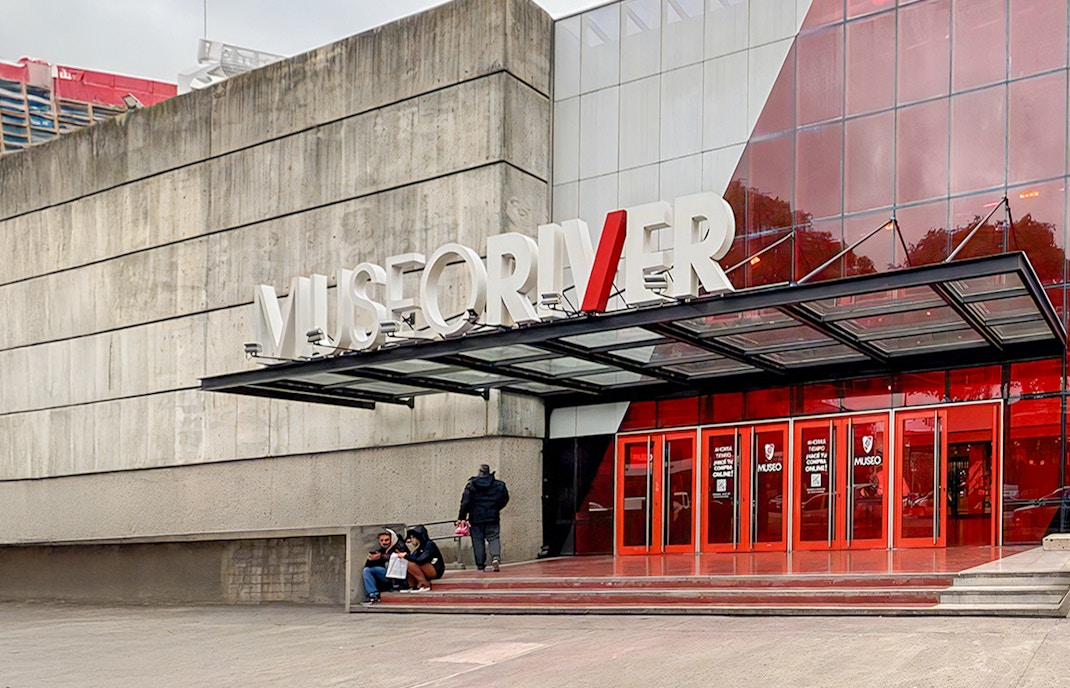
The tour and museum operate through the museum side of the stadium, not through the big match-day gates most people photograph first. The common mistake is circling the exterior looking for a main stadium entrance instead of heading straight to Museo River.
- Pre-booked tickets: For online reservations. Expect the quickest check-in before the next guided departure.
- Walk-up tickets: For same-day buyers. Expect the longest delays in July, on holiday afternoons, and whenever later tour slots are close to selling out.
When is River Plate Stadium open?
- Monday–Sunday: 10am–7pm
- Match days and large event days: Tours may pause or hours may be reduced
- Last on-site ticket sales: Around 5:30pm, or earlier if that day’s slots fill
When is it busiest? July school-break afternoons, weekends, and holiday dates are the busiest, with more walk-up demand and fuller guided departures.
When should you actually go? Aim for Tuesday to Thursday between 10am and 12 noon if you want more room in the museum and a smoother start to the stadium route.
How much time do you need to visit River Plate Stadium
| Visit Style | Recommended Duration | Distance Walked | What you get |
|---|---|---|---|
Highlights Only | 1 hour | 1km | Museo River overview, quick stop at the 360° cinema, & a photo at the San Martín stand |
Balanced Visit | 1.5–2 hours | 2km | Full Museo River experience, 360° cinema, guided stadium route with players’ tunnel |
Full Exploration | 2+ hours | 3km | In-depth museum tour, 360° cinema, complete stadium tour, including VIP areas and more |
How do you get around River Plate Stadium?
River Plate Stadium is best explored as a short, guided route plus a self-paced museum visit, and most visitors can cover it comfortably in 1.5–2 hours. The main focal point — the pitch view — comes late in the route, so the museum context first makes the stadium stop land much better.
Getting around River Plate Stadium
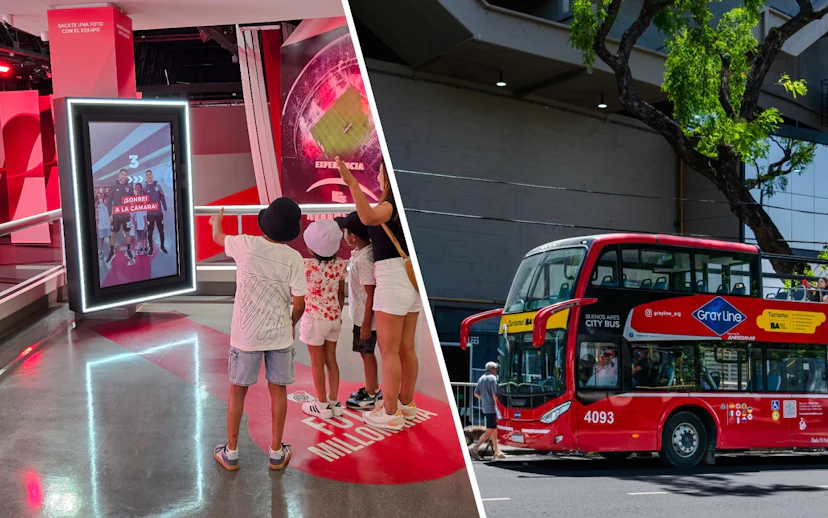
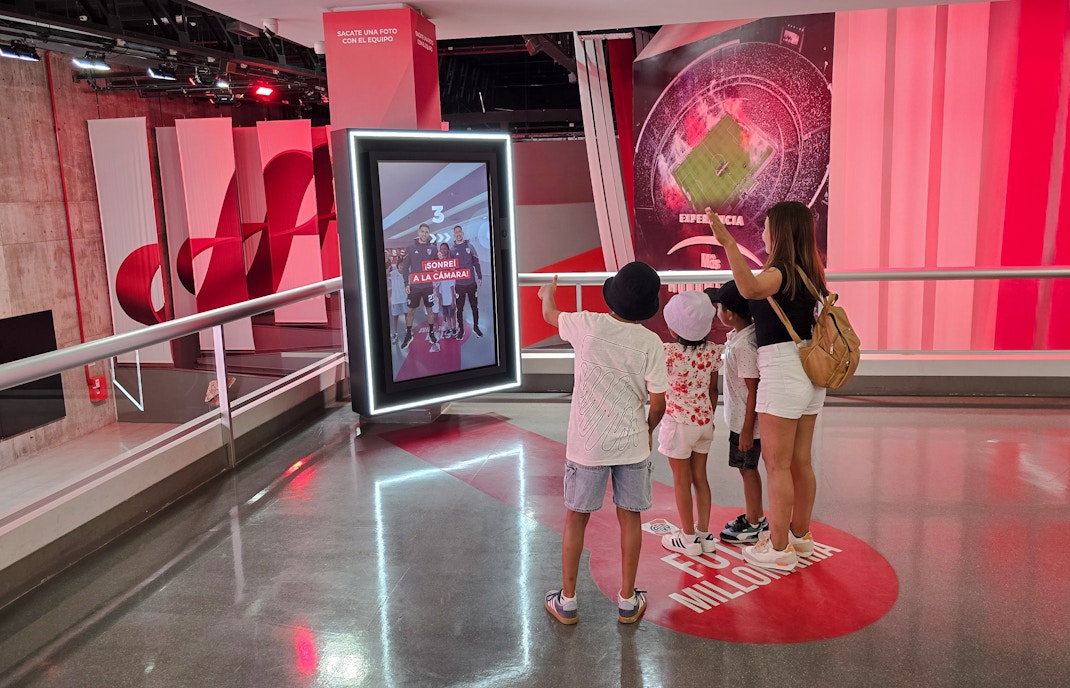
- Museo River: Club history, trophies, Time Tunnel, and multimedia exhibits → allow 45–60 min.
- 360° cinema: Immersive fan-culture film → allow 10 min, plus a little extra if there’s a short wait.
- San Martín stand: Best panoramic stadium view → allow 10–15 min for photos and scale.
- Players’ tunnel and pitchside: The emotional high point of the route → allow 10–15 min.
- VIP box and visitors’ locker room: Behind-the-scenes stops that add match-day context → allow 10–15 min.
A smart route is museum first, then the guided stadium circuit, then the gift shop at the end. What many people rush past is the museum timeline before the tunnel; without it, the stadium stops feel impressive, but less meaningful.
Maps and navigation tools
- Map: On-site orientation works best here → it covers the museum-to-stadium flow → get it at the museum entrance before your tour starts.
- Signage: Good enough for finding Museo River, but not for understanding the best order once you’re inside; the guided route solves most confusion.
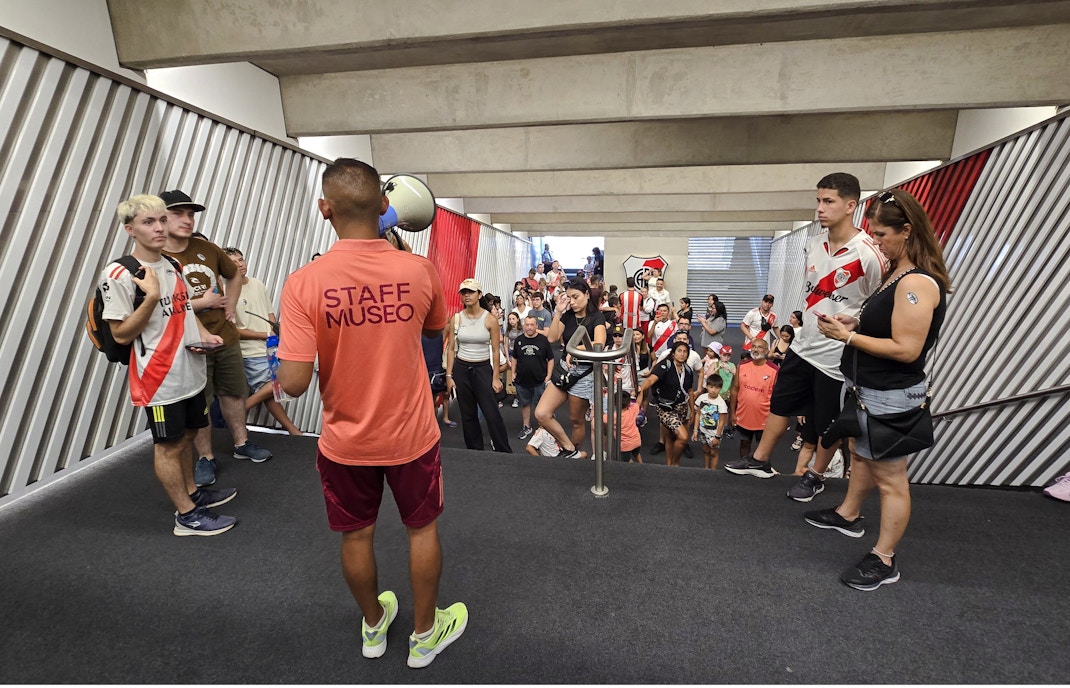
- Audio guide / app: No standalone audio guide is the main draw here; guided tours in Spanish, English, and Portuguese add more value than a self-guided app would.
💡 Pro tip: Don’t save the museum for after the tour if you’re short on time — the tunnel and pitchside stop hit harder once you’ve already seen the trophies, legends, and club timeline.
What happens inside River Plate Stadium?
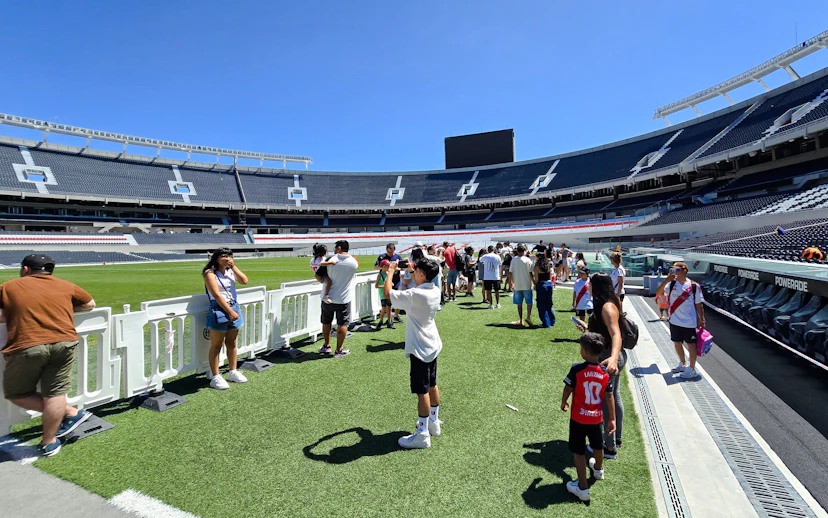
Panoramic San Martín stand
Experience type: Stadium viewpoint
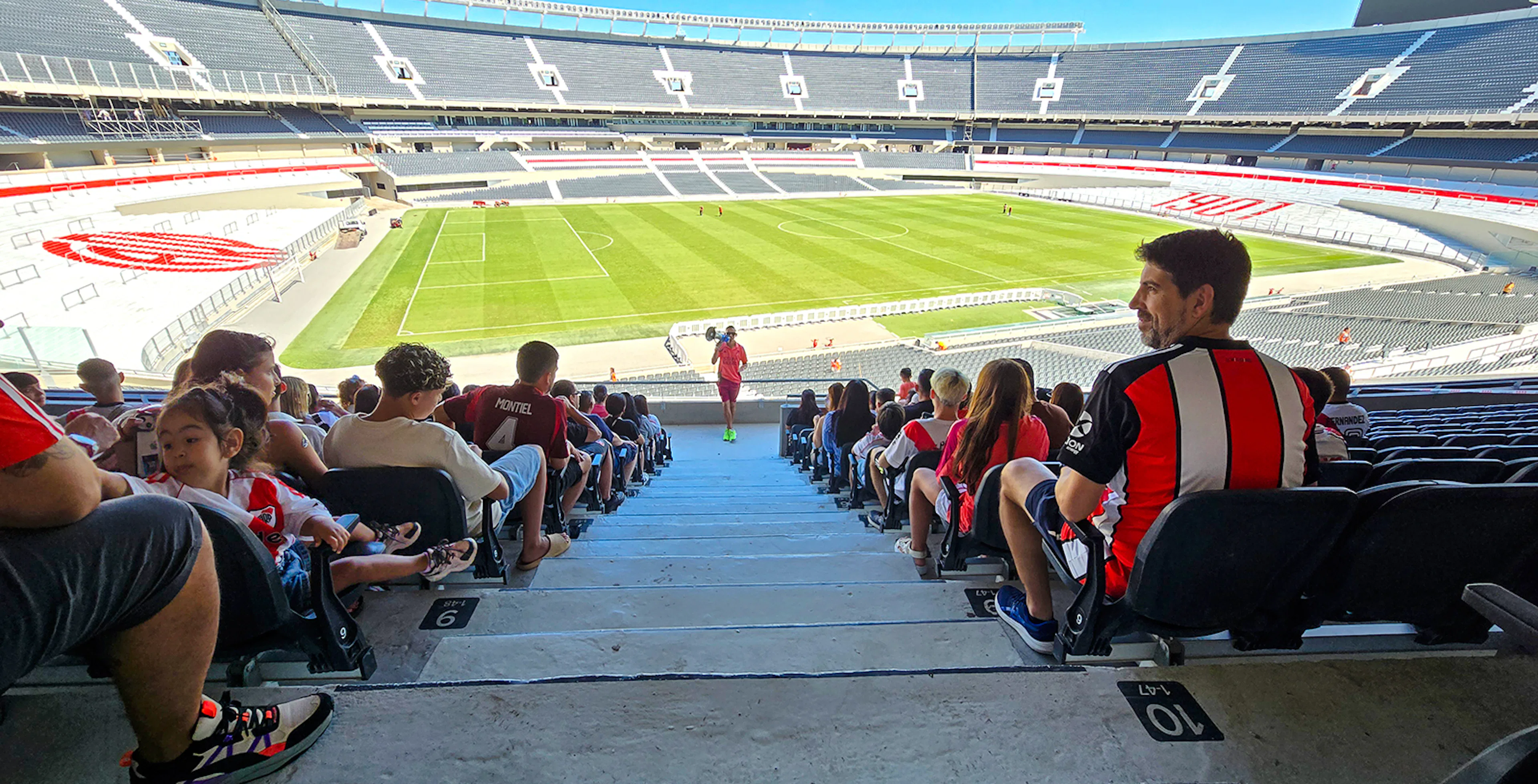
This is the stop that makes El Monumental’s size click. From the middle stand, you can take in the full bowl, appreciate the recent expansion, and understand why this feels so different from smaller club stadiums. Most visitors grab a quick photo and move on too fast; stay long enough to notice how close the pitch feels even inside such a huge venue.
Where to find it: On the guided route through the stadium stands, usually accessed after leaving the museum section.
Museo River Time Tunnel
Experience type: Club history gallery
The Time Tunnel walks you through River Plate’s story decade by decade, linking trophies, legendary squads, and major moments in Argentine football culture. It’s more than a trophy room, and that’s why it works even if you’re not a lifelong supporter. The detail many people miss is how much national history is woven into the club timeline rather than displayed separately.
Where to find it: Inside Museo River, early in the self-guided museum route.
360° immersive cinema
Experience type: Multimedia installation
This short film is one of the most effective parts of the whole visit because it turns River Plate fandom into something you feel, not just read about. The surround visuals and crowd sound help explain why Argentine football culture hits differently in person. Many visitors rush to the tunnel photos and nearly skip this room, even though it gives the stadium itself much more emotional context.
Where to find it: Inside Museo River, along the main exhibition sequence before the stadium tour.
Players’ tunnel and pitchside stop
Experience type: Behind-the-scenes access
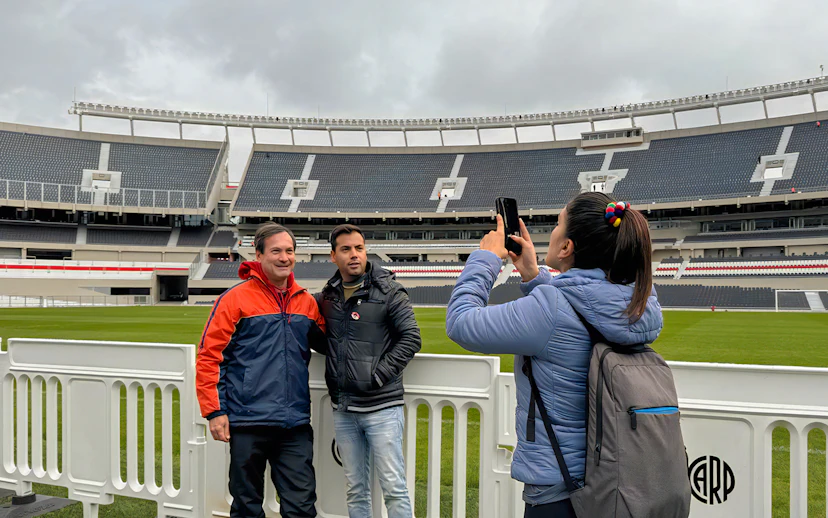
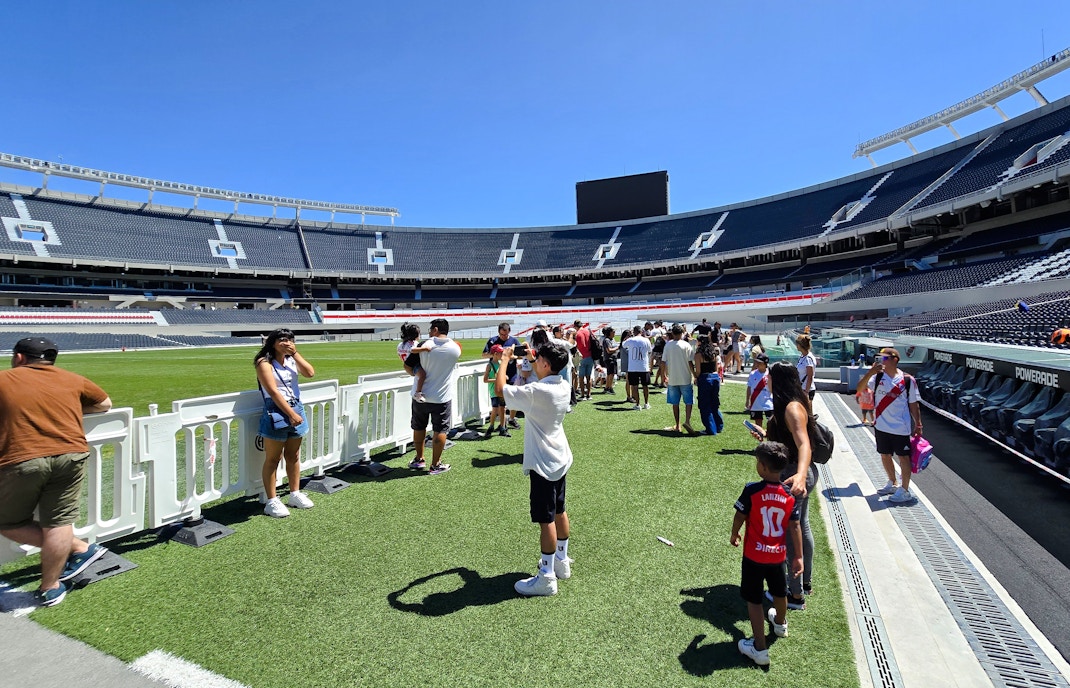
This is the moment most fans remember. You walk through the tunnel the players use and emerge at field level, where the empty seats rising around you give a real sense of match-day scale. The thing people often misunderstand is that you won’t walk freely on the grass — the payoff here is the tunnel approach and the pitchside perspective, not full field access.
Where to find it: On the guided stadium route, after the interior access sections.
Trophy hall
Experience type: Silverware display
If you want the clearest snapshot of River Plate’s stature, this is it. The trophy displays bring together domestic dominance and continental success in one room, and it’s the fastest way to understand why the club’s identity feels so expansive. Many visitors photograph the headline cups and miss the older pieces and context panels that show how long the winning tradition really runs.
Where to find it: Inside Museo River, after the historical galleries.
Presidential box and visitors’ locker room
Experience type: Match-day operations access
These stops show two very different sides of stadium life: the polished VIP viewpoint and the practical preparation space used by visiting teams. They matter because they make the tour feel like a working venue, not just a monument to past glory. The easy-to-miss detail is the contrast itself — comfort upstairs, stripped-back routine below.
Where to find it: On the guided circuit through the stadium’s restricted-access interior.
Facilities and accessibility
- 🎟️ Ticketing: On-site ticket windows usually open from 10am and sell same-day entries until roughly 5:30pm or until departures fill.
- 🚻 Restrooms: Modern restrooms are available in the museum area, and accessible stalls are available there as well.
- 🍽️ Café: There is an on-site café area for a quick break, and it works best as a convenience stop rather than a destination meal.
- 🛍️ Gift shop / merchandise: The official store and museum shop are the best places for jerseys, club souvenirs, and photo-friendly memorabilia after the tour.
- 🪑 Seating / rest areas: The museum is the easiest place to pause, with indoor areas that are more comfortable than the exposed stadium sections.
- 🅿️ Parking: A small paid lot is available near the museum entrance on non-match days, but capacity is limited.
- ❄️ Air conditioning: The museum interior is air-conditioned, which makes a real difference in Buenos Aires heat.
- ♿ Mobility: The museum is wheelchair accessible with ramps and elevators, but the stadium route includes stairs, so it’s worth alerting staff in advance if you need an adapted route.
- 👁️ Visual impairments: There’s no widely promoted tactile route or audio-description program, so the guided format or a companion is the easiest way to navigate the visit confidently.
- 🧠 Cognitive and sensory needs: There are no published quiet hours, and the most sensory-heavy space is the 360° cinema; weekday late mornings are usually the least crowded window.
- 👨👩👧 Families and strollers: The museum section is easier with a stroller than the stadium stands, so families with very young children usually move most comfortably in the indoor galleries first.
River Plate Stadium works well for school-age children, especially if they enjoy sports, big spaces, interactive media, or anything that feels behind the scenes.
- 🕐 Time: 1.5 hours is realistic with children if you focus on the museum highlights, the 360° cinema, and the tunnel.
- 🏠 Facilities: The museum is the easiest family base because it has restrooms, seating, indoor comfort, and a more stroller-friendly layout than the stands.
- 💡 Engagement: Let kids look for the biggest trophy, the loudest cinema moment, and the best pitchside photo spot so the visit feels like a game, not a lecture.
- 🎒 Logistics: Go earlier in the day, bring only a light bag, and choose the express route if you know your child won’t last through a full guided circuit.
- 📍 After your visit: The wider Núñez and Belgrano area is good for a low-stress post-visit snack or short walk before heading back into central Buenos Aires.
Rules and restrictions

What you need to know before you go
- Entry requirement: You’ll need the ticket format you booked — museum-only, express, or full tour — and online reservations are the safest choice on busy dates.
- Bag policy: Small day bags are the easiest option because the route includes stairs and guided movement through stadium interiors.
- Re-entry policy: Treat your visit as single-entry and plan to finish the museum and tour in one go rather than stepping out midway.

Not allowed
- 🚫 Food and drink: Eating inside exhibition spaces and on the stadium route is best avoided unless staff says otherwise.
- 🚬 Smoking / vaping: Smoking and vaping are not part of the indoor museum experience and should be kept outside venue areas where permitted.
- 🐾 Pets: Pets are not part of the standard visit; service animals should be checked with the venue in advance.
- 🖐️ Touching or entering restricted areas: Visitors can go pitchside but not onto the grass, because the playing surface is protected for club and match use.
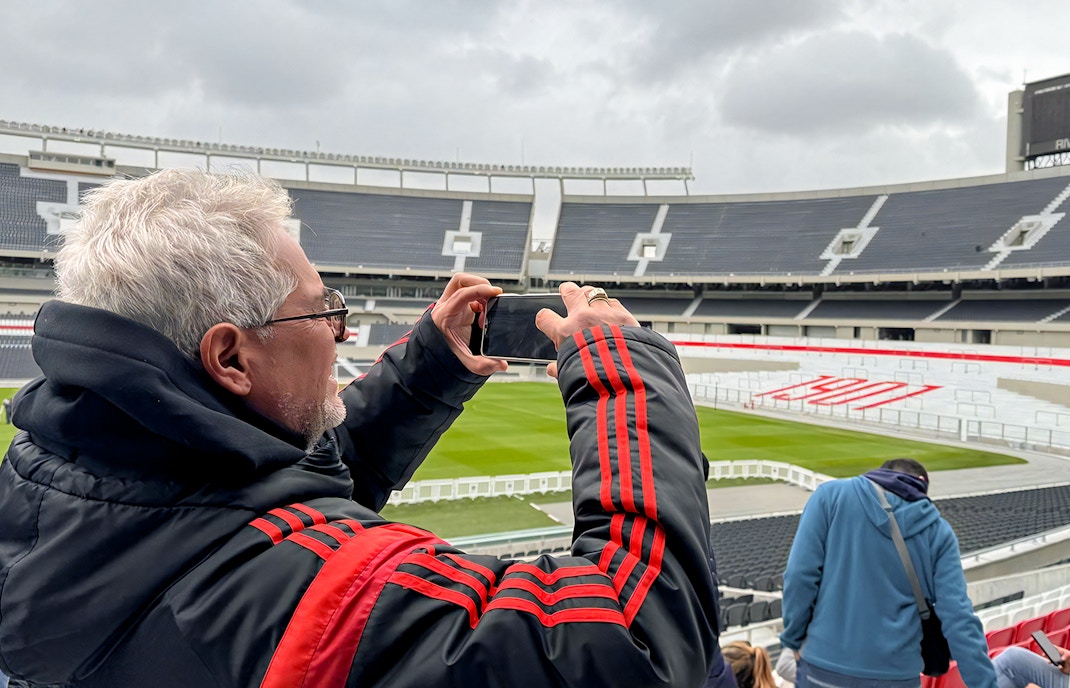
Photography
Photos are one of the main reasons people visit, and they’re typically part of the experience in both the museum and stadium stops. The big distinction is access rather than cameras: you can photograph the pitch from field level, but you do not get free access onto the turf itself. If you’re carrying larger gear, check with staff on arrival so you don’t slow down the guided route.
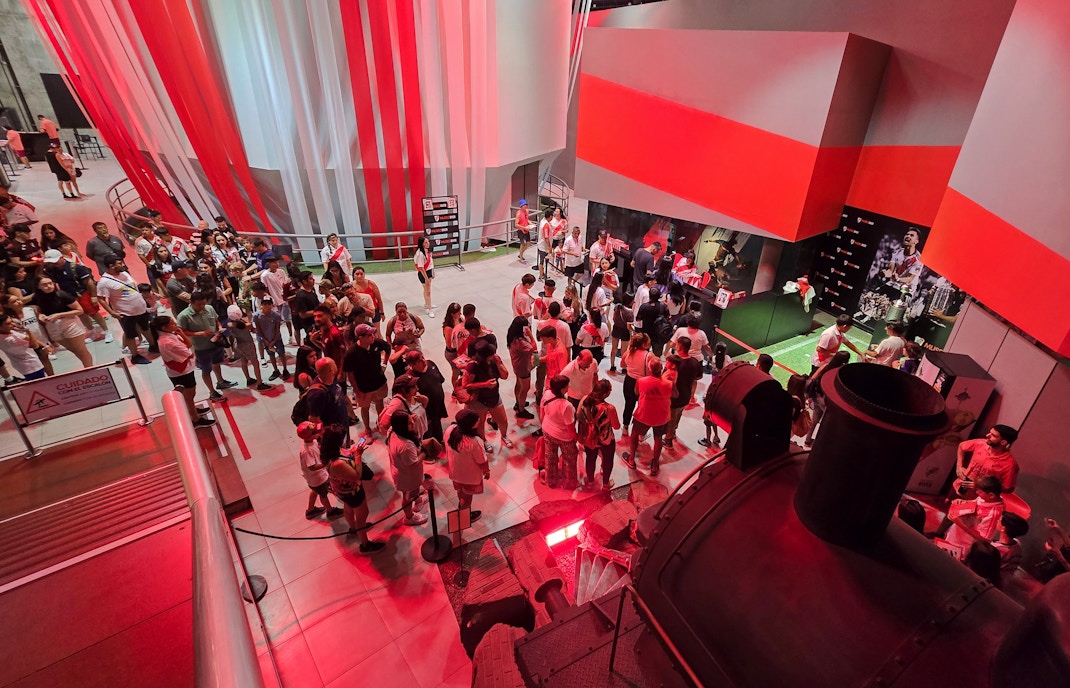
Good to know
- Tour timing: The biggest disappointment here is arriving late and discovering the next guided departure is full, even though the museum itself is still open.
- Match-day impact: Home games and major events can cancel or shorten tours entirely, so always check the stadium calendar before planning your day around it.
Practical tips
- Booking and arrival: You can often book 1–2 days ahead without trouble, but July and holiday afternoons are different — same-day walk-up slots can sell out, so aim to reserve ahead and arrive 15–20 minutes early.
- Pacing: Don’t treat the museum as filler before the ‘real’ stadium part; the Time Tunnel, trophy hall, and 360° cinema are what make the tunnel and pitchside stop feel earned.
- Crowd management: Tuesday to Thursday, 10am–12 noon is the sweet spot here because walk-up demand is lower and family traffic usually builds later in the day.
- What to bring or leave behind: Bring a small bag, comfortable shoes, and either a SUBE card or a rideshare app — there’s no direct subway stop, and the final stretch from train stations is about a 15-minute walk.
- Food and drink: Eat before you start the full tour if you’re prone to getting hungry; once you’re moving between museum galleries and the guided stadium route, it’s smoother to finish in one run than break midway.
- Photo strategy: The San Martín stand and the tunnel exit are your strongest photo stops, so keep your phone or camera accessible instead of digging for it once the group is already moving.
- Ticket choice: If you care most about football history, museum-only entry is enough; if you want the emotional payoff of seeing the pitch appear through the tunnel, pay for the full tour.
What else is worth visiting nearby?
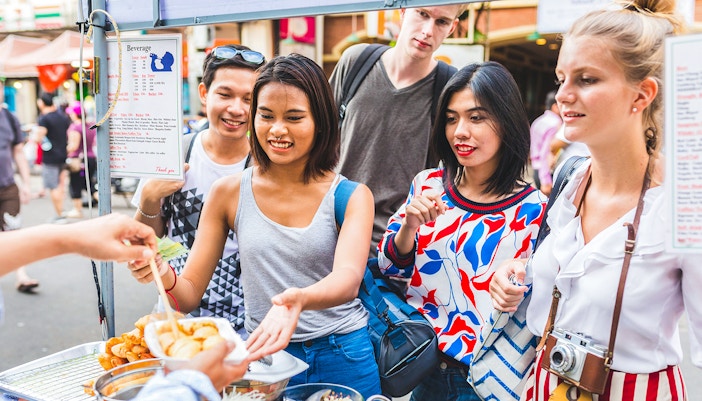
Commonly Paired: Barrio Chino de Belgrano
- Distance: About 2km — roughly 25 min walk or 10 min by taxi
- Why people combine them: It’s an easy post-tour stop for lunch, snacks, or a change of pace, and it fits naturally with a north Buenos Aires day in Belgrano and Núñez.
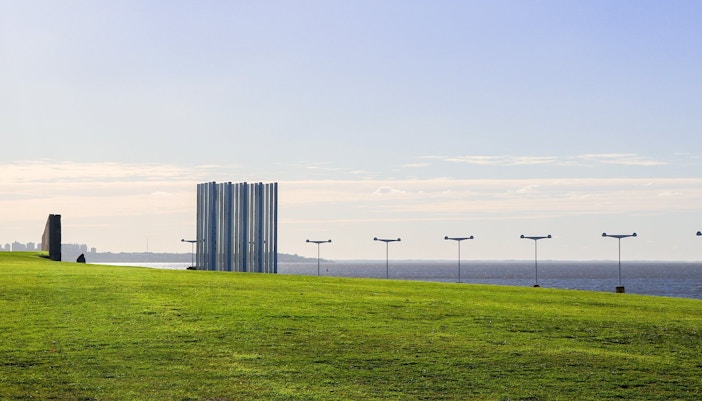
Commonly Paired: Parque de la Memoria
- Distance: About 2.5km — roughly 30 min walk or 10 min by taxi
- Why people combine them: The pairing works because both sit in the same riverfront zone, and the contrast between football intensity and reflective public art makes for a more rounded half-day.
Also Nearby
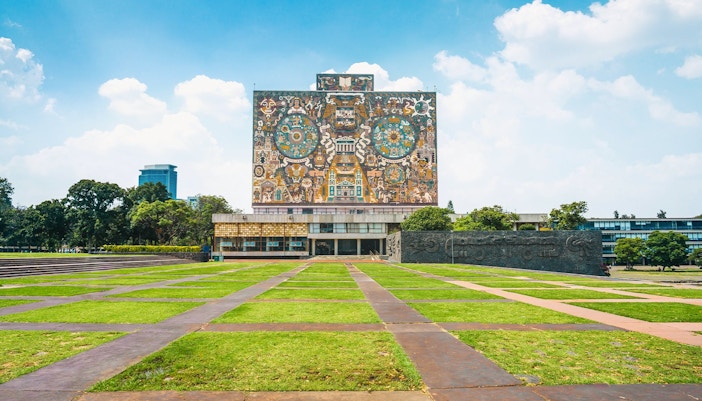
Ciudad Universitaria
- Distance: About 2km — around 10 min by taxi
- Worth knowing: It’s not a headline tourist stop, but the broad open setting and nearby riverfront make it a useful low-key add-on after the stadium.
Costanera Norte riverfront
- Distance: About 3km — around 10–15 min by taxi
- Worth knowing: This is a good choice if you want air, space, and food by the water after a mostly indoor-and-stadium visit.
Eat, shop and stay near River Plate Stadium
- On-site: The museum café covers coffee, cold drinks, and simple snacks; it’s useful before or after the tour, but most people treat it as a convenience stop rather than a meal destination.
- Barrio Chino food courts: 10 min by taxi, Belgrano; casual Asian eats, snacks, and desserts in an easy post-visit cluster if you want variety without a formal sit-down.
- Costanera Norte parrillas: 10–15 min by taxi, riverfront; Argentine grilled meats and larger meals, best if you want to turn the visit into a slower lunch or dinner plan.
- Avenida del Libertador cafés: 5–10 min by taxi, Núñez/Belgrano; coffee, pastries, and lighter lunch options that fit well before the stadium if you don’t want a heavy meal.
- 💡 Pro tip: Eat before a late-morning tour or after a midafternoon one — that avoids the busiest museum window and keeps you from rushing the 360° cinema or tunnel stop.
- Official River Plate store: Jerseys, scarves, training gear, and club-branded gifts, right at the stadium complex and the obvious stop if you want official merchandise.
- Museo River gift shop: Smaller souvenirs, memorabilia, and easy-to-pack keepsakes near the museum exit.
- Barrio Chino specialty shops: Not football-related, but useful if you want snacks, tea, or gift shopping nearby after the tour.
Núñez is a practical base if River Plate Stadium is one of the main reasons you’re in Buenos Aires, or if you prefer a calmer residential area over central nightlife. It’s safer-feeling and less hectic than the downtown core, but it’s not the most convenient base for a first trip focused on major city sights.
- Price point: Mid-range to upper-mid-range, with fewer ultra-budget choices than central Buenos Aires.
- Best for: Short stays where you want easy access to the stadium, quieter streets, and a less tourist-heavy neighborhood feel.
- Consider instead: Palermo or Recoleta if this is your first Buenos Aires trip and River Plate is just one stop among many; both make city sightseeing easier while keeping the stadium within a manageable taxi ride.
Frequently asked questions about visiting River Plate Stadium
Most visits take 1.5–2 hours. That covers the museum, the 360° cinema, the panoramic stand stop, and the guided stadium route down to pitchside. If you choose museum-only entry, you can usually finish in 45–60 minutes.
No, you don’t always need to book far ahead, but advance booking is smart for July, holidays, weekends, and later afternoon departures. Walk-up tickets are still sold on many non-match days, but same-day slots can fill before evening.
Arrive 15–20 minutes early. That gives you enough time to find the museum entrance, check in, and avoid missing the next guided departure. If you arrive right on time, you may still get in, but you’ll have much less buffer if the venue is busy.
A small backpack or day bag is the safest choice. The visit includes walking through museum galleries and stadium interiors, so large luggage is awkward even when it isn’t formally banned. Traveling light makes the route easier and faster.
Yes, photos are one of the main draws of the visit. You can usually photograph the museum, the stands, and the pitchside stop, but you do not get unrestricted access onto the grass itself. If you’re carrying larger camera gear, check with staff before the tour starts.
Yes, group visits are common and work well here. The format is already guided, and private or organized group options are available through operators for schools, football fans, and corporate groups. On busy dates, groups should book earlier than individual visitors.
Yes, especially for school-age children who like sports, trophies, big spaces, or interactive exhibits. The museum is the easiest part for families because it’s indoors, air-conditioned, and easier to pace than the stadium stands. If your child tires easily, the express option is the better fit.
Partly. The museum is wheelchair accessible, with ramps, elevators, and accessible restrooms, but the stadium route itself includes stairs and elevated sections. If you need step-free access, contact the venue in advance so staff can help with the most suitable route.
Yes. There’s an on-site café for a quick break, and the surrounding Núñez and Belgrano area gives you better options if you want a proper meal before or after the tour. Barrio Chino and the riverfront are the easiest nearby food add-ons.
Usually, not in the normal way. Full stadium tours are typically suspended, shortened, or heavily restricted on home-match days and other large event dates. If your trip is fixed, check the match calendar first and plan a non-match day for the full experience.
Yes, guided visits are commonly offered in Spanish, English, and Portuguese. That matters because the museum’s written material is not always equally strong in every language, so the guided explanation can make a big difference if you don’t speak Spanish.