How to visit Teatro Colón: A practical visitor’s guide

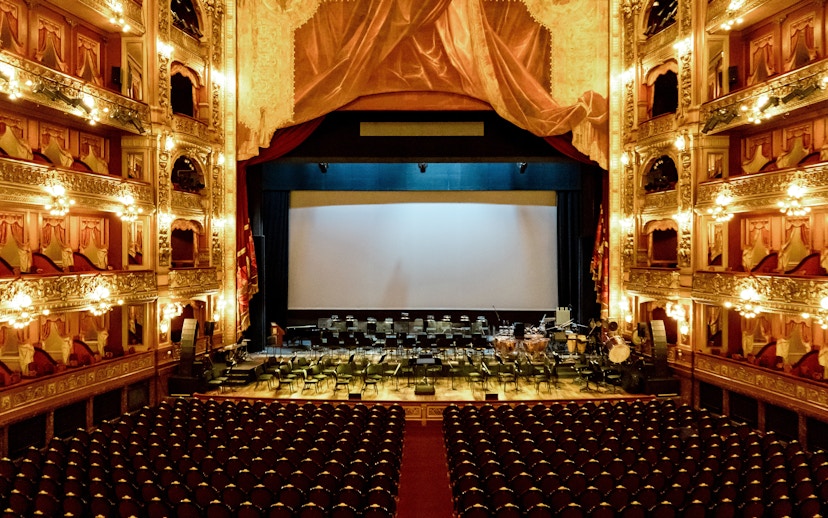
A visit to Teatro Colón feels intimate, even though its reputation is colossal. You’re not wandering endless corridors, you’re stepping into a perfectly preserved world of velvet, gold, and hushed awe. Most visits happen on guided tours, which means pacing and timing matter. Get it right, and your Teatro Colón visit becomes a slow reveal of its spectacular interiors; get it wrong, and you’ll feel like you’re peeking through the keyhole of a masterpiece.

Navigating your way

Orientation verdict: Teatro Colón isn’t physically large, but access is structured and that’s where planning saves frustration.

Enter via Libertad Street (main entrance)

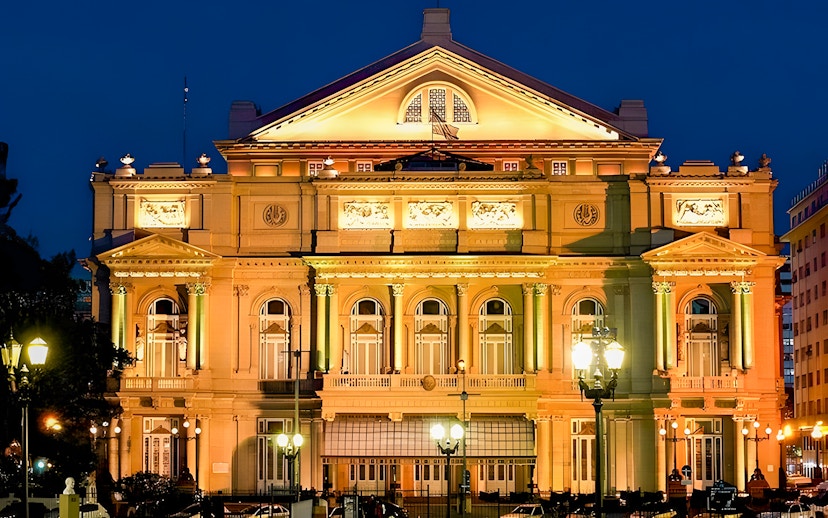
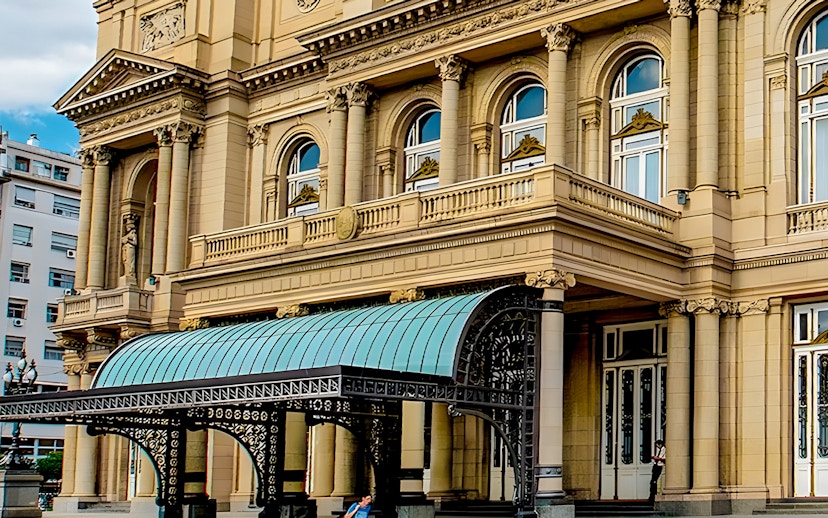
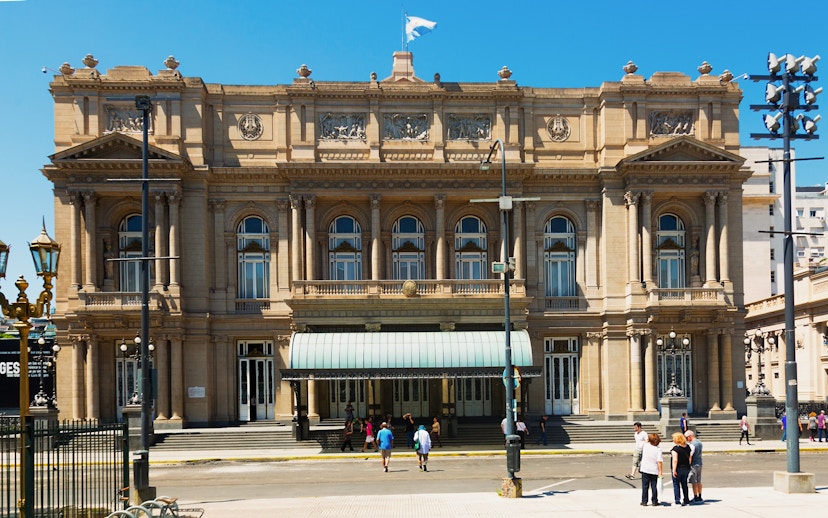
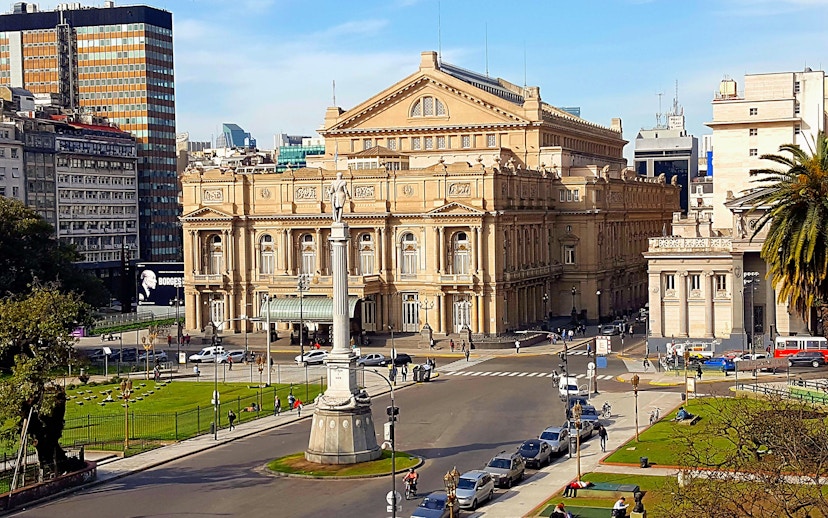
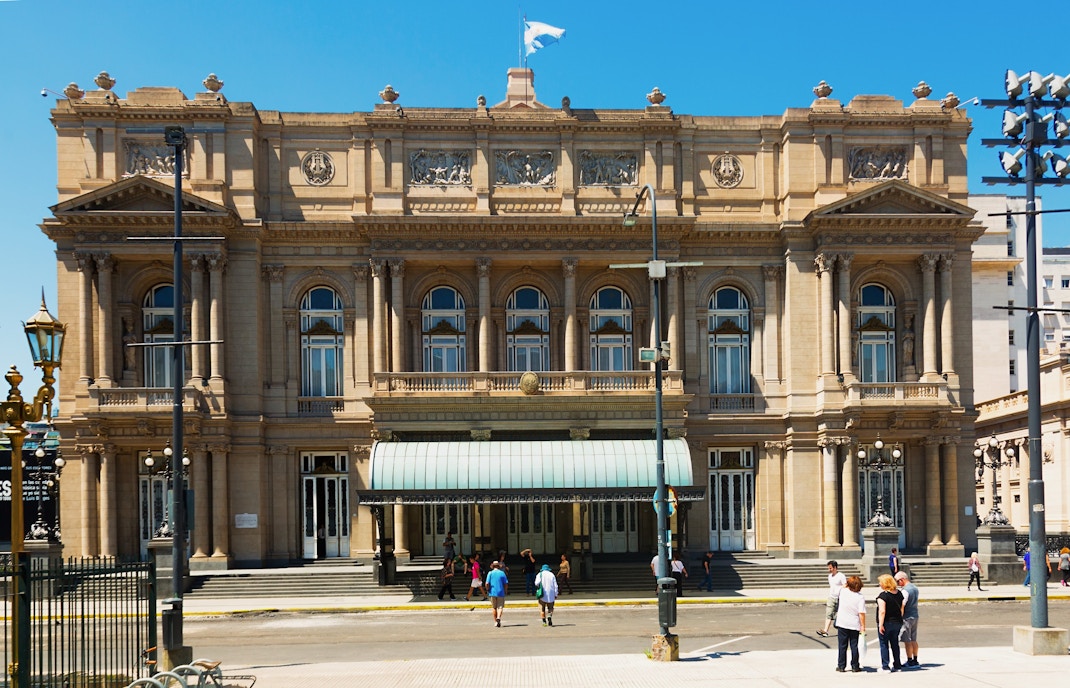
👉 This is the only public entrance for all daytime Teatro Colón visit tickets. Located beside Plaza Lavalle, it’s where security checks happen, and groups are assembled before entry.

Move through the public interiors first

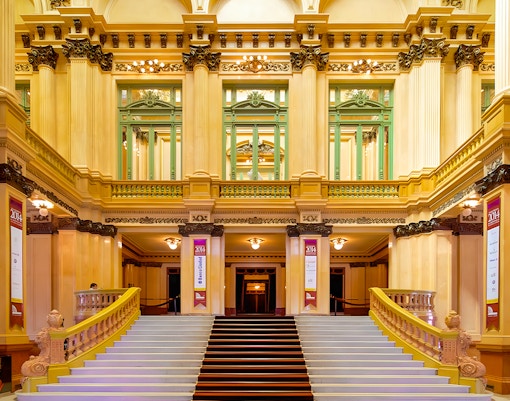
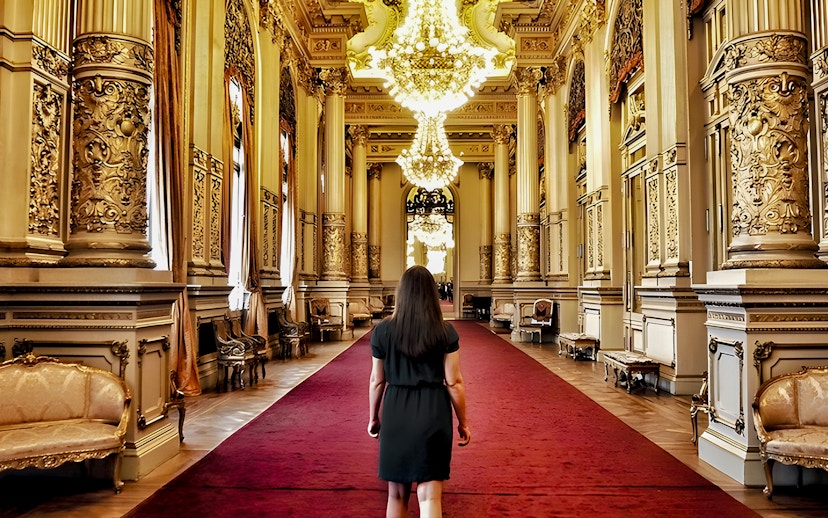
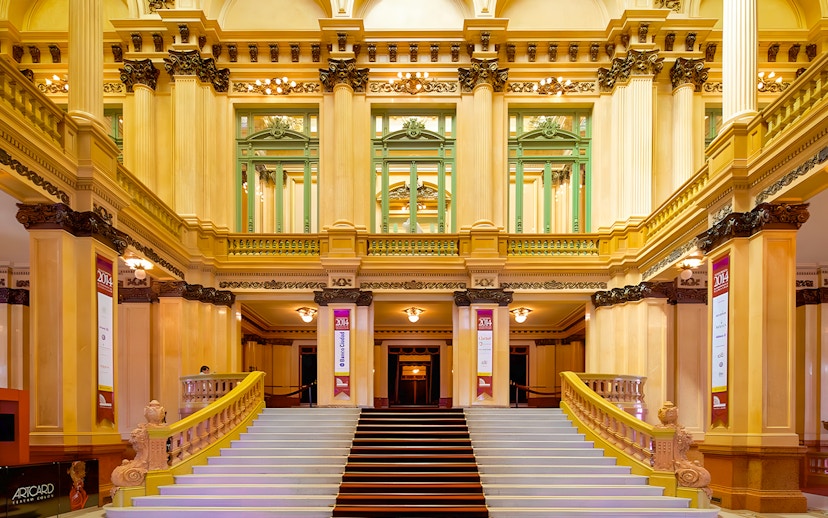
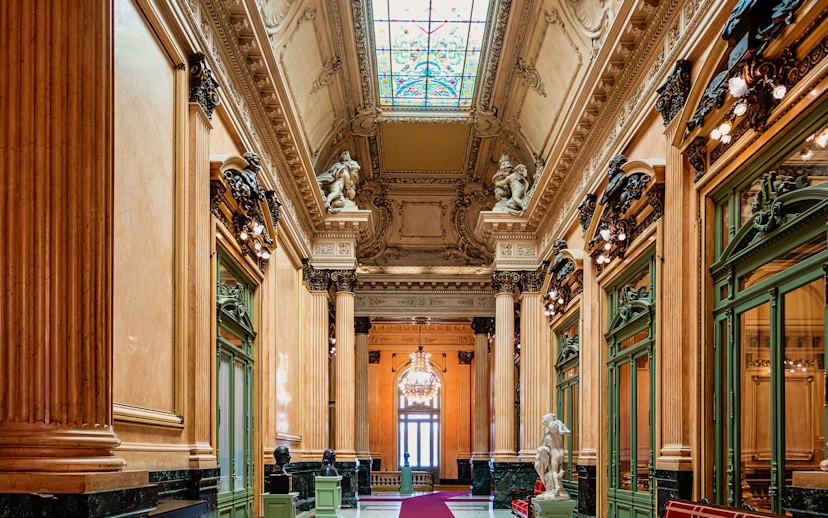
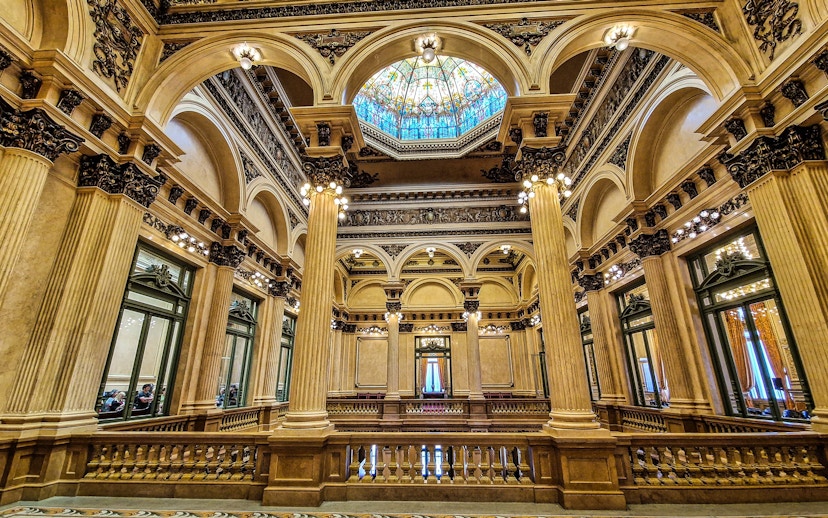
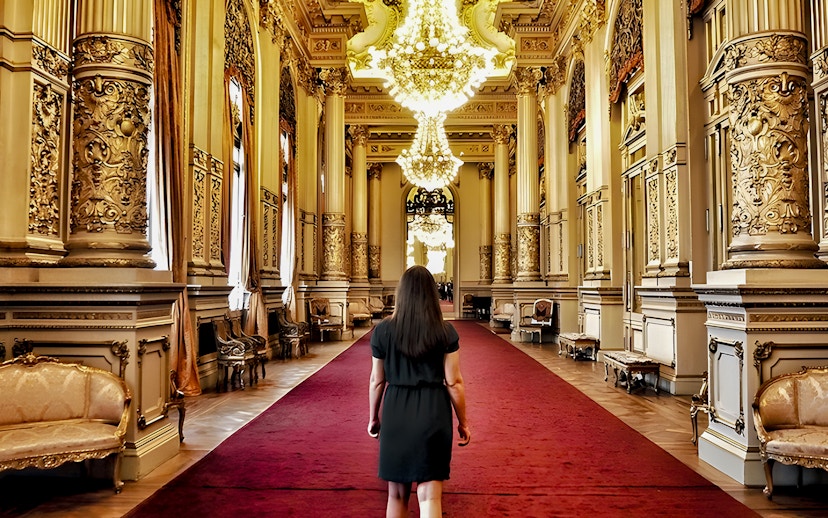
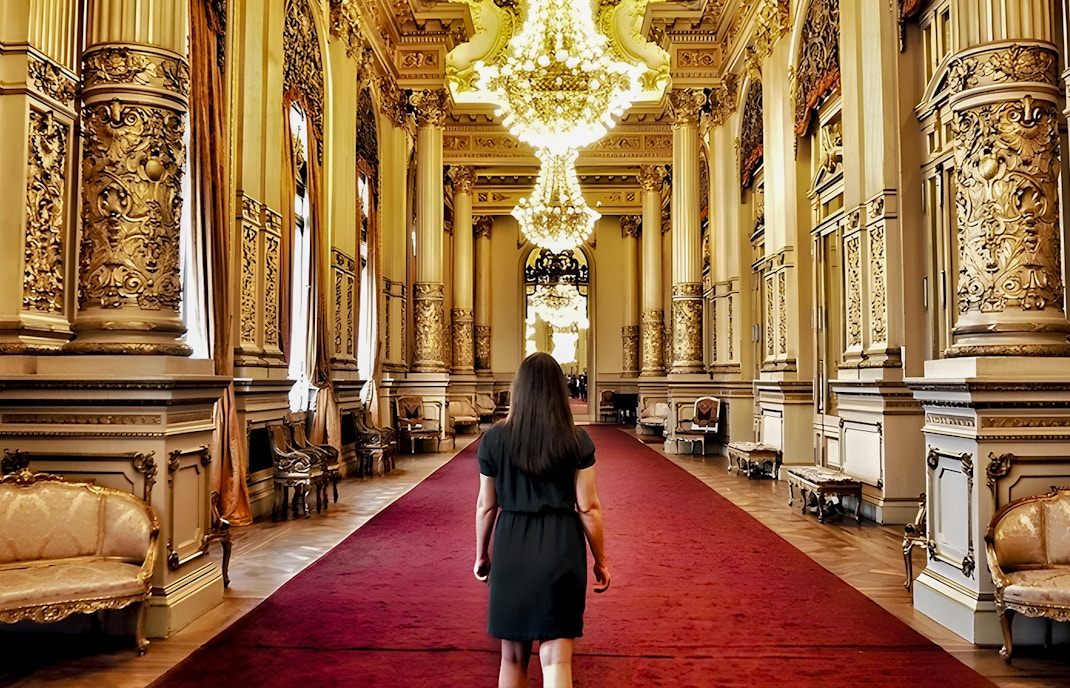
👉 The visit begins with grand foyers and salons, where marble staircases, stained glass, and gilded details set the tone. This slow build helps you understand the scale and elegance of the Teatro Colón interior before the main reveal.

Transition into restricted internal spaces

👉 Depending on the day’s access, the route continues through behind-the-scenes areas such as rehearsal rooms or corridors rarely seen by performance audiences, offering a glimpse into how the theatre functions beyond the spotlight.

End in the main auditorium

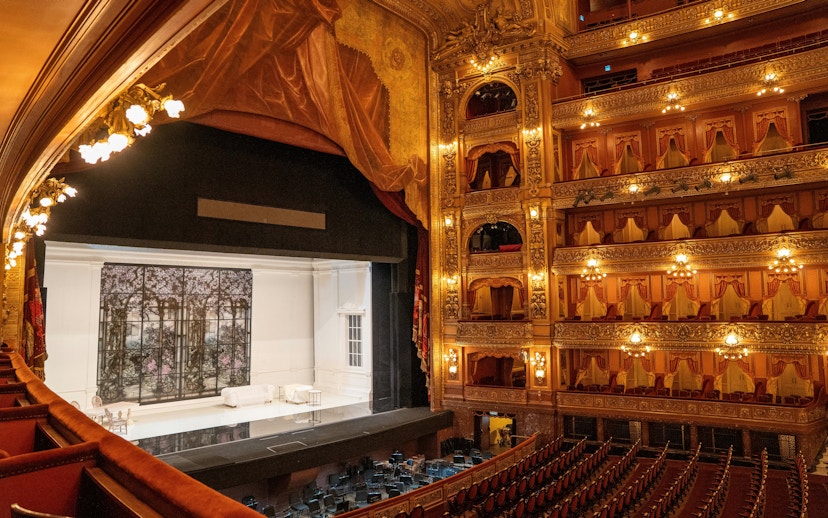
👉 The experience culminates in the legendary horseshoe-shaped hall. This final stop is the emotional payoff of every visita Teatro Colon, where the theatre’s acoustics, symmetry, and ornamentation come fully into view.

Go behind the scenes at Teatro Colón

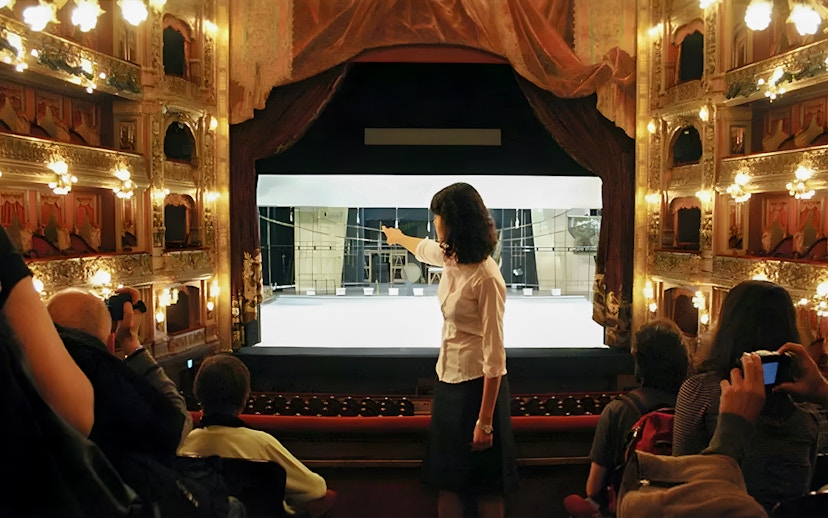
Anyone can walk through Teatro Colón. A guided tour lets you slip behind the curtain. You’ll trace secret corridors, peek into rehearsal rooms, and see how this legendary theatre actually works, while soaking in the full drama of the Teatro Colón interior.

How to make the most of your time

Visit typeDurationRouteWhat you get

Snapshot visit

60 minutes

Main foyer → Salons → Main auditorium

A focused introduction to the Teatro Colón interior—grand architecture, and the iconic auditorium. Ideal if you want a quick, high-impact visit to Teatro Colón between other Buenos Aires plans.

Classic visit

90 minutes

Foyers → Salons → Rehearsal spaces → Main auditorium

A balanced Teatro Colón visit that pairs visual wow with context. You’ll see how the theatre functions day to day, not just how it looks, enough depth to feel informed, without fatigue.

Immersive experience

2 hours

Public interiors → Behind-the-scenes areas → Rehearsal rooms → Main auditorium

More spaces, richer stories, and a deeper appreciation of the theatre’s scale, acoustics, and working life. Perfect if Teatro Colón is a highlight of your trip.

Handy tips

  • Book ahead – Same-day slots sell out quickly; walk-ins can miss entire tour windows.
  • Arrive early – Entry closes once a group starts; even 5 minutes late means no access.
  • Pick calmer hours – Late morning to early afternoon is busiest; mid-afternoon is smoother.
  • Mind the dress code – The Teatro Colón dress code is smart-casual; avoid shorts, flip-flops, or beachwear to prevent entry issues.
  • Photography rules vary – Some interior spaces restrict photos; staff enforce this strictly.
  • Travel light – Large bags aren’t allowed inside, and there’s limited storage.

Explore Teatro Colón

Grand foyers & salons

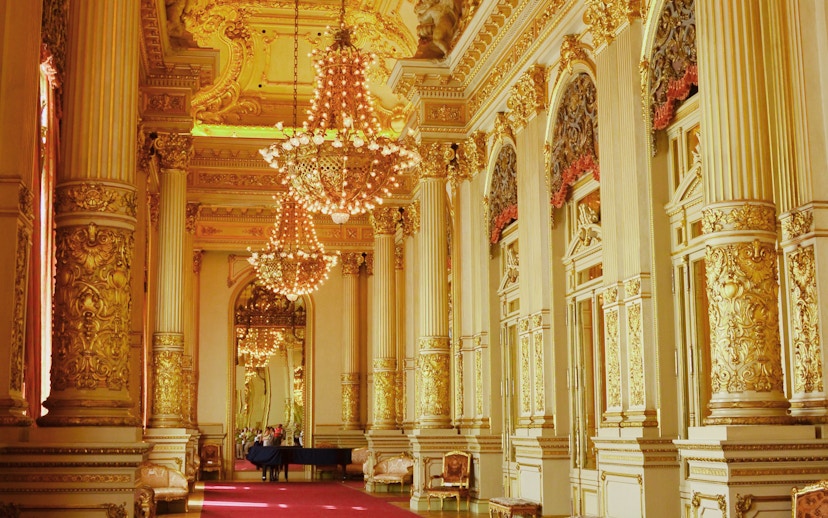
These rooms are pure theatre before the theatre. Designed at a time when attending the opera was a public performance in itself, the foyers were built to overwhelm, slow your pace, lift your gaze, and remind you that this was once a playground for Argentina’s elite.

What to look out for

  • The Hall of Busts: Marble composers line the walls like a silent jury—Verdi, Mozart, Beethoven—placing Teatro Colón firmly in Europe’s cultural lineage
  • Ceilings that pull your eyes upward: heavy ornamentation, gold leaf, and classical motifs meant to make visitors feel small before they even reach the stage
  • Staircases built for drama: Wide, sweeping, and intentionally inefficient—this is architecture designed for grand entrances and slow ascents
Main auditorium

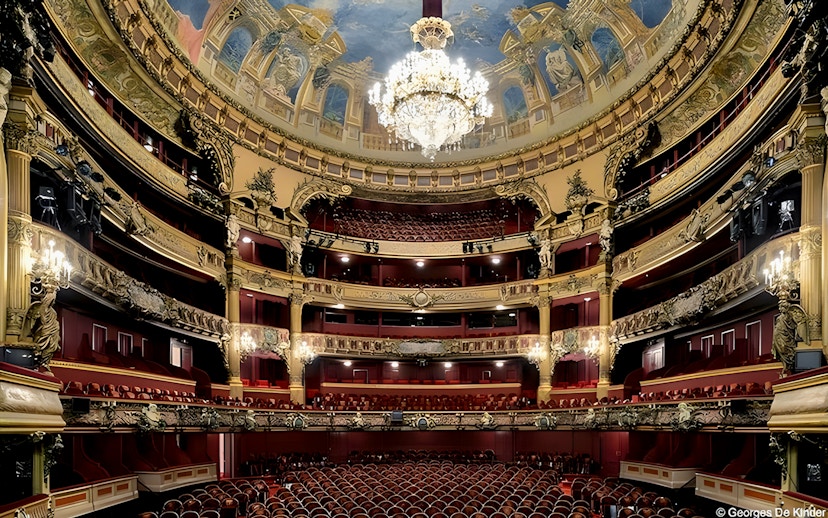
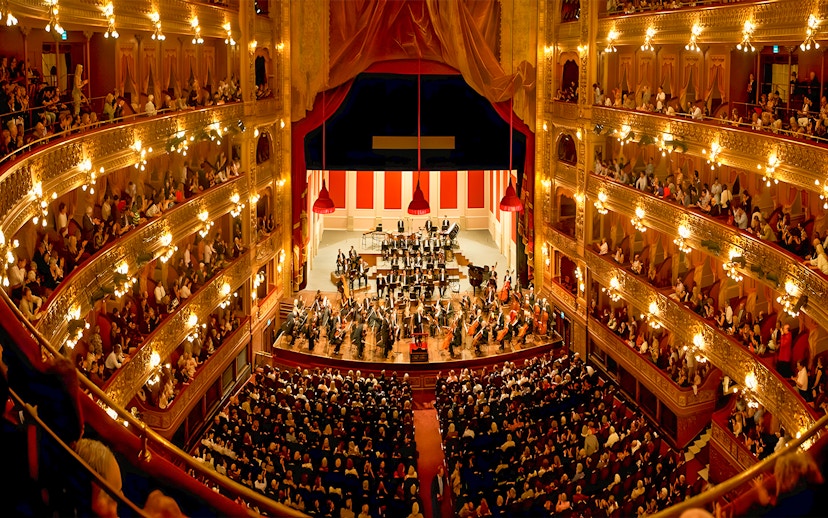
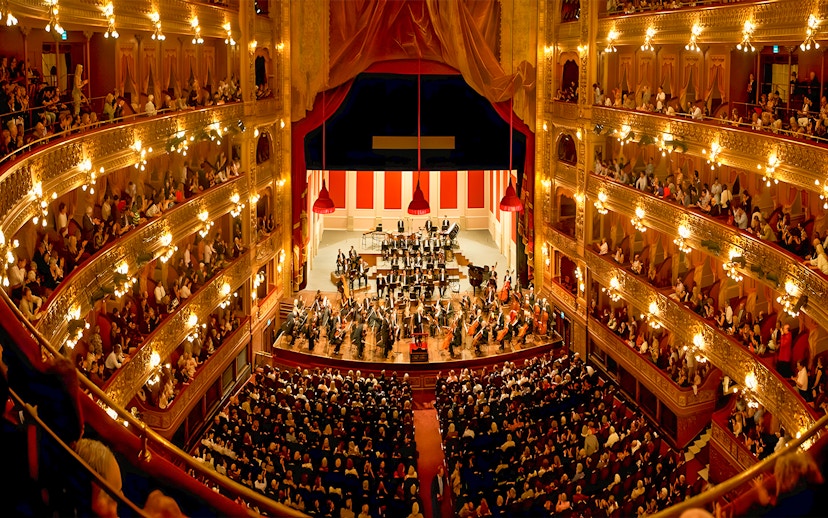
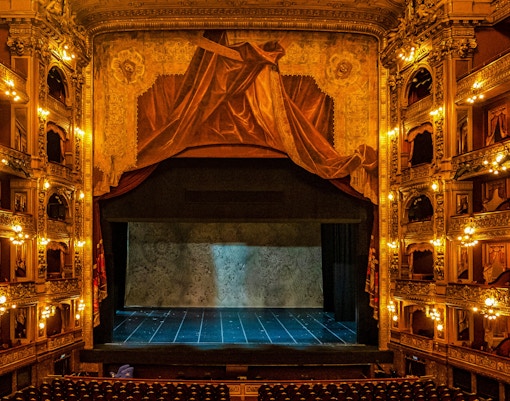
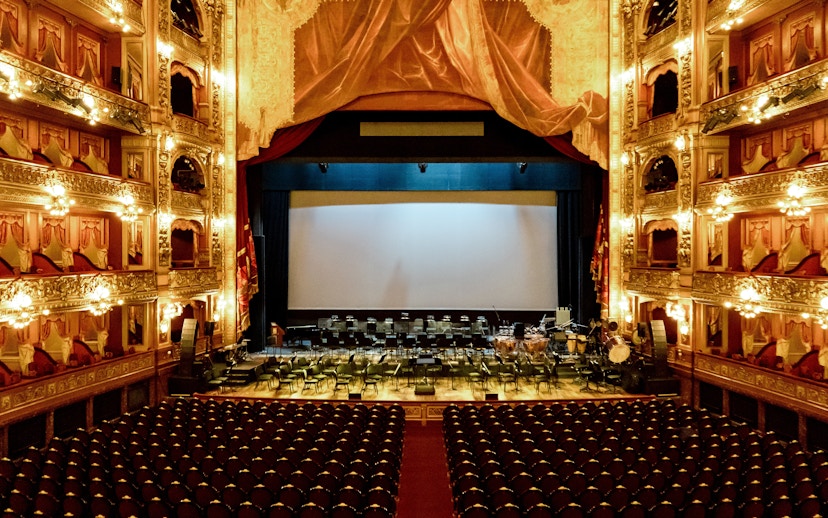
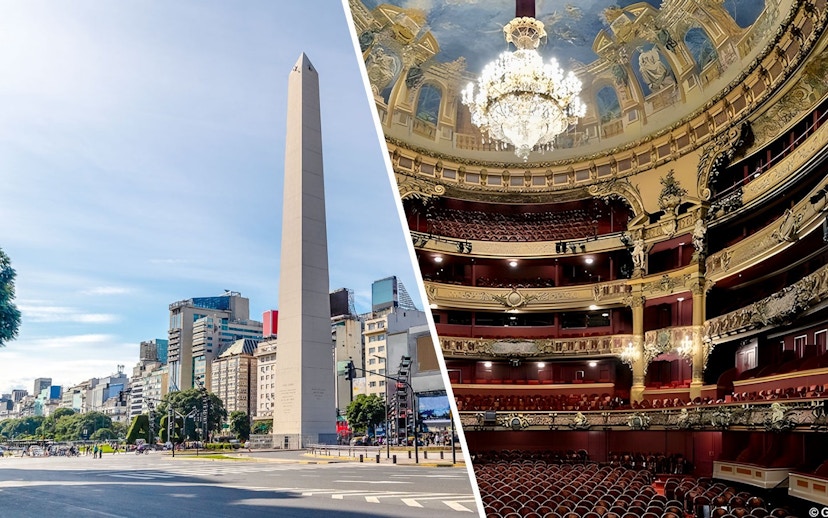
This is the reveal, and it rarely disappoints. Visitors often fall quiet the moment they step inside. The space feels both vast and intimate, a rare balance that explains why performers rank it among the world’s greatest stages.

What to look out for

  • The horseshoe layout: Not an aesthetic choice, but an acoustic one. This shape allows sound to travel evenly, without amplification
  • The chandelier: Weighing over a ton, it isn’t just decorative; it integrates into the hall’s acoustic system and can be lowered like a stage prop
  • Uniform sightlines: From orchestra seats to the highest gallery, every angle was calculated so that no audience member feels disconnected from the performance
Backstage & technical areas

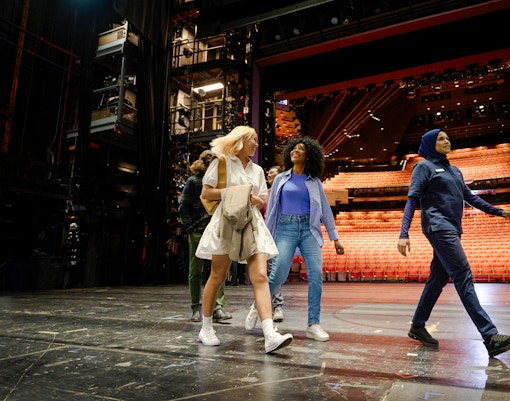
This is where the fantasy dissolves and gets better. Ornate finishes vanish, replaced by raw mechanics and tightly controlled chaos. Seeing this side reframes Teatro Colón as a living machine rather than a historic monument.

What to look out for

  • Original stage machinery from the early 1900s, still in operation, updated, adapted, but never fully replaced
  • Trapdoors and lifts that allow entire sets to disappear and reappear within minutes
  • Narrow corridors and coded markings that guide performers silently during live productions
Rehearsal rooms

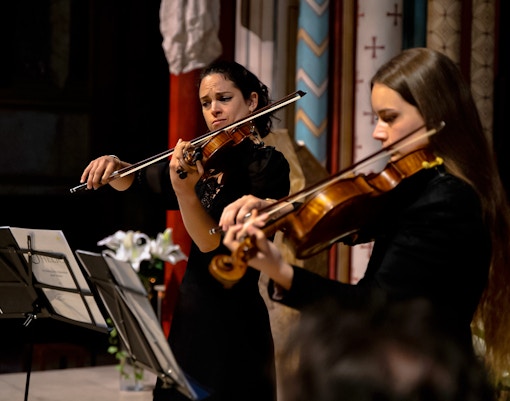
These rooms explain the theatre’s reputation more than any decoration ever could. Everything here is about precision, like training performers to deliver perfection under unforgiving conditions.

What to look out for

  • Orchestra rehearsal halls are acoustically tuned to mirror the main auditorium, so musicians hear exactly what they’ll hear on stage
  • Ballet studios with sprung wooden floors, engineered to absorb impact during hours of repetitive movement
  • Scuffed floors, worn railings, faded tape marks, the unglamorous fingerprints of relentless discipline
Before you get there

Timings

Daytime hours, tour windows, and last entry details

Location

Central Buenos Aires, steps from Plaza Lavalle

Interior flow

Understand how the visit unfolds inside

Tips

Local insights that improve your Teatro Colón visit

Know before booking your Teatro Colón tickets 

A visit to Teatro Colón is quick by design. The real decision is whether you want it to be a short stop or the highlight of your day.

  • Guided tours: In about 50 minutes, you’ll step inside the Auditorium, Main Foyer, Busts Gallery, and Golden Hall, with a guide explaining the details from why the acoustics are legendary to how the theatre still functions today. 
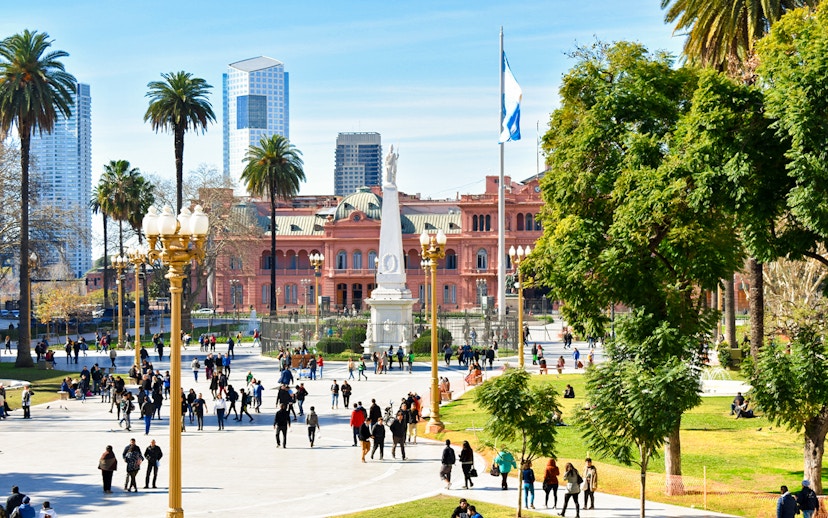
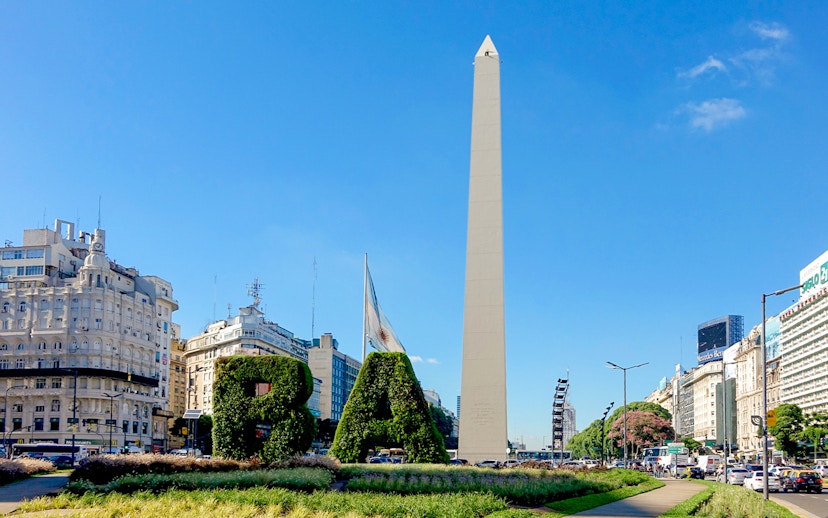
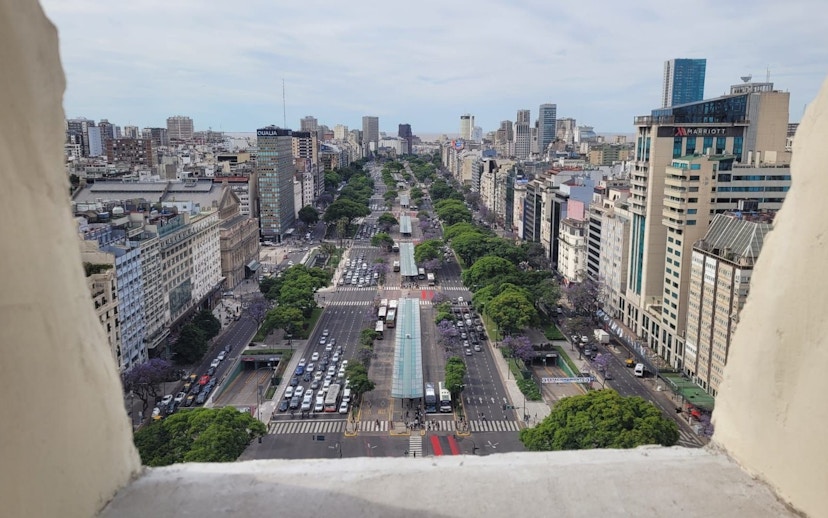
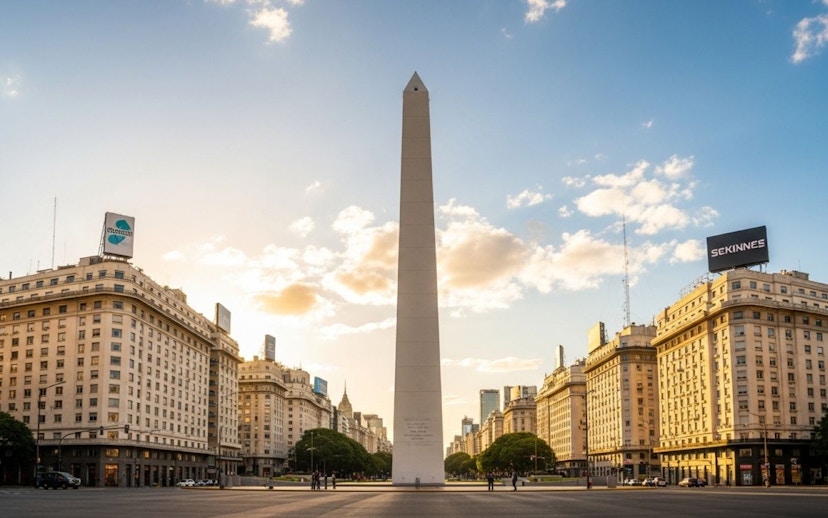
  • Guided tour + Buenos Aires walking tour: Instead of walking into the theatre cold, you arrive having already traced the city’s history, from colonial streets and Plaza de Mayo to Avenida 9 de Julio and the Obelisco. By the time you enter Teatro Colón, it feels earned, not accidental. This option is for travelers who don’t want landmarks in isolation.
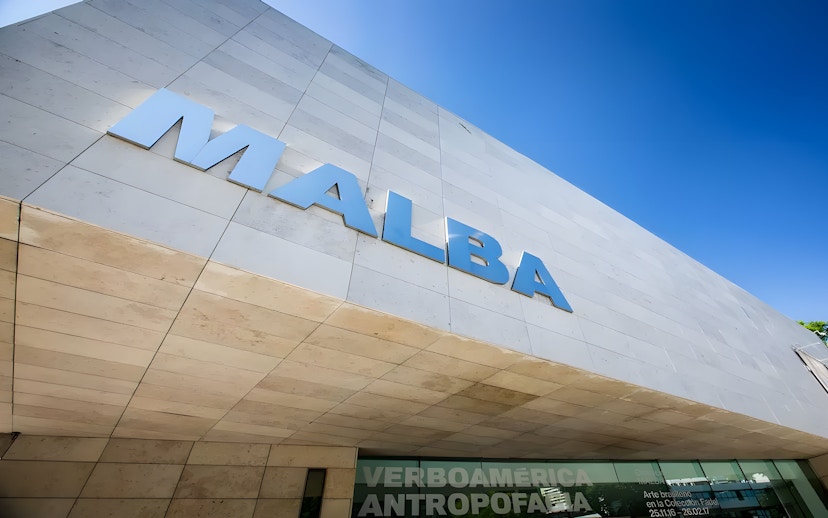
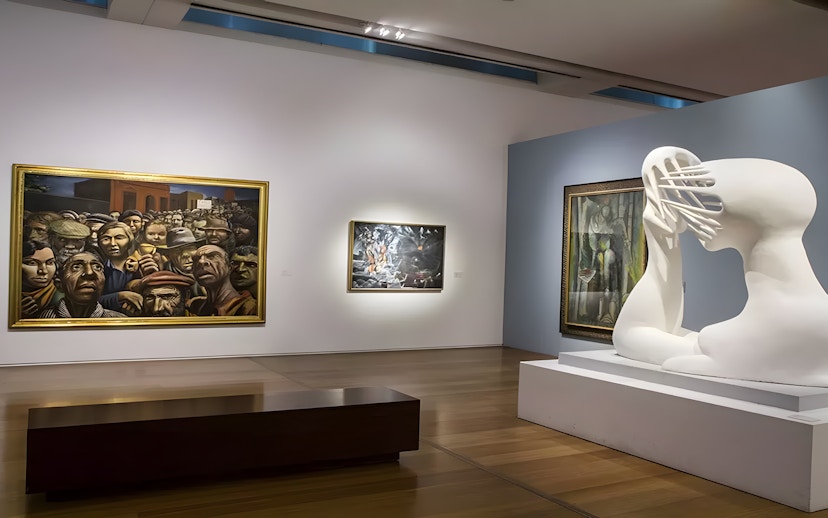
  • Guided tour + city walk + MALBA entry: The smartest choice if you want a proper culture day. MALBA is Buenos Aires’ most important modern art museum, home to iconic Latin American works you won’t encounter elsewhere. After the guided portion ends, you’re dropped at MALBA to explore independently. 

Teatro Colón ticket types explained

Ticket typeWhat’s includedBest for

Guided tour

50-min guided visit of the Auditorium, Main Foyer, Busts Gallery & Golden Hall

Seeing Teatro Colón properly, without extras

Guided tour + 3-hour city walk

Guided walk (historic streets, Plaza de Mayo, Casa Rosada, Avenida 9 de Julio, Obelisco) + Teatro Colón visit

Theatre + city context in one flow

Guided tour + 3-hour city walk + MALBA

City walk + Teatro Colón guided visit + entry to MALBA (self-guided)

One full, culture-packed day

Teatro Colón timings & best time to visit

DayTimingsLast entryClosed on

Monday to Sunday

10am to 8pm

1 hour before closing

Public holidays & special events

Best time to visit

Weekday vs weekend

Weekdays are noticeably calmer, especially late mornings and mid-afternoons. Weekends tend to fill up faster, with guided slots selling out early and foyers feeling more crowded.

Peak season vs low season

The busiest months are October to March, when Buenos Aires sees higher tourist traffic. April to June and August to September strike the best balance with pleasant weather, fewer crowds, and easier availability for tours.

Where is Teatro Colón located?

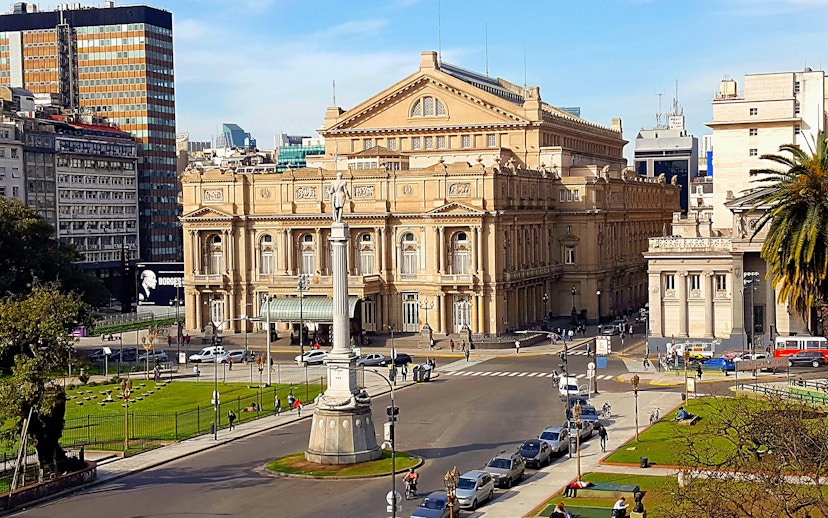
Teatro Colón sits right in the cultural heart of Buenos Aires, facing Plaza Lavalle and surrounded by historic streets, cafés, and landmarks. Easy to reach and hard to miss.

  • Address: Cerrito 628, C1010 Buenos Aires, Argentina | Find on Maps
  • Closest landmark: Plaza Lavalle, directly opposite the theatre | Find on Maps

How to get there

Duration: 5 to 10**** minutes from central Buenos Aires

From Obelisco / Avenida 9 de Julio (most central starting point): Take Line D (Green Line) from 9 de Julio or Catedral station and get off at Tribunales. Exit toward Plaza Lavalle, Teatro Colón is a 5-minute walk straight ahead, facing the square.
From Palermo/Recoleta: Board Line D directly toward Catedral and exit at Tribunales. Walk 5 minutes to the theatre.
Alternative stations:

  • Uruguay (Line B) – 6-minute walk
  • Carlos Pellegrini (Line B) – 8-minute walk, connects easily from Line C

Duration: 25–35 minutes (traffic dependent)

Buses are useful if you’re already sightseeing nearby or prefer street-level travel.

From Plaza de Mayo/Casa Rosada: Take Bus 7 or 9 northbound and get off near Plaza Lavalle. Walk 2–3 minutes to Teatro Colón.

From Recoleta/Avenida Córdoba: Take Bus 5 or 24, get off near Cerrito Street, and walk 3–4 minutes.

From Palermo/Retiro: Take Bus 59 or 50, stopping along Avenida 9 de Julio, then walk 4 minutes toward Plaza Lavalle.

Duration: 15–20 minutes from Retiro

From Retiro Train Station:

Option 1 (public transport):

  • Take Subte Line C from Retiro to Diagonal Norte
  • Transfer to Line D and exit at Tribunales
  • Walk 5 minutes to Teatro Colón

Option 2 (simplest):

  • Taxi or rideshare from Retiro takes 10–15 minutes in light traffic

Duration: Varies by traffic (central area)

Drive toward Tribunales/Avenida 9 de Julio and follow signs for Plaza Lavalle. Teatro Colón sits directly opposite the square.

  • No on-site parking available
  • Paid parking garages are located within 300–500 meters of the theatre
  • Expect slower traffic during weekday rush hours (8–10am, 5–7pm)

Entrances

Entrance nameLocationWho it’s forCrowds & wait times

Libertad Street Entrance

Libertad Street, facing Plaza Lavalle

All daytime visitors (tickets & guided tours)

Moderate queues during peak hours; security checks for everyone

Facilities

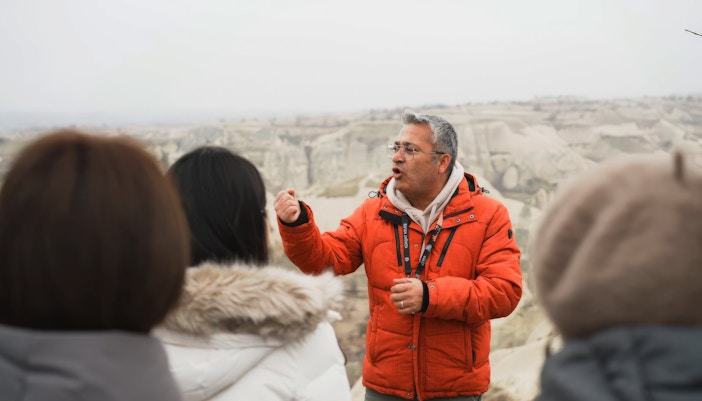
🎧 Audio systems – Used during tours to ensure clear commentary, even in larger groups.

🎒 Bag check/security screening – Mandatory at entry; large bags may be restricted.

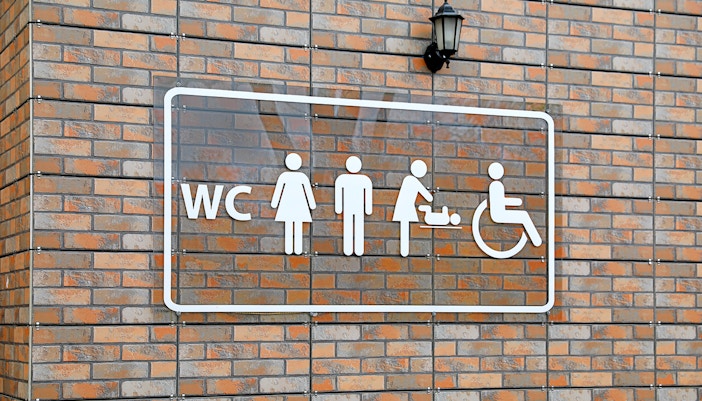
🚻 Restrooms – Available inside the theatre, including accessible facilities.

🛍️ Gift shop – Located near the exit; books, music-themed souvenirs, and Colón memorabilia.

🪑 Seating areas – Limited resting spots inside public interiors; most of the visit is standing.

🧭 On-site staff assistance – Staff present throughout to guide movement and answer questions.

Accessibility

General access & assistance

  • Priority assistance is available at the main entrance on request.
  • On-site staff present throughout the visit route.
  • Accessible restrooms are available inside the theatre.
  • Security screening is required for all visitors.

Visitors with physical disabilities

  • Wheelchair access via ramps and elevators along the visitor route.
  • Accessible pathways cover the main public interiors.
  • Elevators coordinated with tour timing; advance notice recommended.
  • Limited access to narrow backstage areas due to the historic layout.

Visitors with hearing impairments

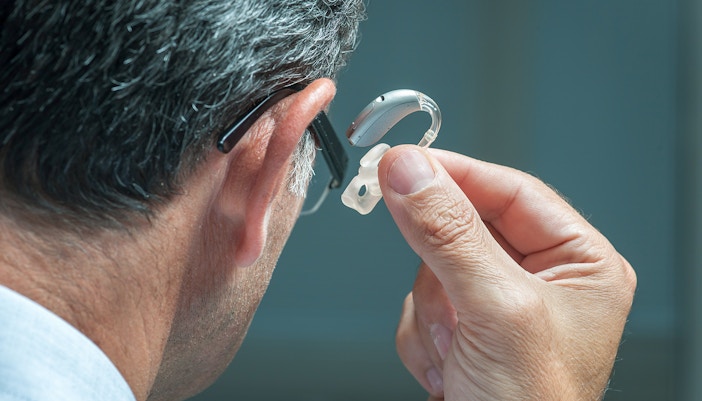
  • Audio systems are used during guided visits for clearer commentary.
  • Staff assistance is available to help with optimal positioning during explanations.
  • Echo-heavy spaces may affect sound clarity in some halls.

Visitors with visual impairments

  • Staff assistance is available for stairs and interior transitions.
  • Verbal descriptions form a key part of the guided experience.
  • Advance notice allows staff to provide additional navigation support.

Visitors with learning or sensory sensitivities

  • Interiors feature strong lighting, reflective surfaces, and echoing acoustics.
  • Quieter daytime slots are recommended for a calmer experience.
  • Staff can assist with pacing when informed in advance.

Visiting with family

Teatro Colón can be a rewarding stop for families, especially with older children who enjoy history, music, and grand spaces. Planning ahead helps keep the visit smooth and stress-free.

  • Stroller access: Allowed in public areas, but narrow corridors and stairs may require folding strollers during parts of the visit.
  • Baby-changing facilities: Available near main restrooms inside the theatre.
  • Restrooms: Family-friendly restrooms are available along the visitor route.
  • Visit duration: Guided visits last about 50 minutes, which works well for school-age children.
  • Best age range: Recommended for children aged 7+, as tours are quiet and explanation-heavy.
  • Quiet expectations: As an active cultural venue, noise and running are discouraged.

Rules and restrictions 

To preserve the historic interiors and ensure a smooth experience for everyone, Teatro Colón enforces a clear set of visitor-facing rules.

  • Entry control – A valid ticket is required; all visitors pass through airport-style security screening.
  • Bags & items – Large bags, backpacks, tripods, and professional camera equipment are not permitted inside.
  • Photography – Allowed only in designated areas; flash and video recording are restricted. Rules are strictly enforced.
  • Dress code – Smart-casual attire is expected; beachwear, flip-flops, and very short clothing may lead to denied entry.
  • Food & drinks – Not allowed inside interior spaces; consumption is restricted to designated areas only.
  • Behavior – Silence is required during explanations; running, touching interiors, or leaning on historic elements is prohibited.
  • Re-entry – Re-entry is not permitted once you exit the theatre.
  • Animals – Not allowed inside, except certified service animals.

Dress code

General

Clothing that is excessively revealing is not permitted inside the theatre. Beachwear, flip-flops, gym clothing, and outfits with offensive slogans or imagery are not allowed. The goal is simple: attire should feel appropriate for a cultural venue, not a casual street stop.

For men

Men may wear shirts or neat T-shirts, provided they are not sleeveless. Vests and tank tops are not permitted. Shorts should be at or near knee length; very short or athletic-style shorts may lead to refusal at entry.

For women

Women may wear dresses, skirts, trousers, or tops that offer reasonable coverage. Low-cut, backless, or cropped tops are not permitted. Skirts, dresses, and shorts should fall close to knee length to comply with theatre guidelines.

For children

There is no separate dress code for children. However, the same clothing rules applied to adults also apply to younger visitors.

Footwear & accessories

Closed, secure footwear is recommended, as the interiors feature marble floors and staircases. Large hats may need to be removed inside interior spaces.

Where to shop

Teatro Colón Gift Shop (near the exit): This is the main retail space and the most comprehensive. You’ll find books on opera, architecture, and Argentine cultural history, along with recordings, posters, and refined souvenirs inspired by the theatre’s interiors. It’s the best place to pick up something meaningful that actually reflects your visit.

Lobby retail counters (seasonal): On select days, smaller counters appear near public foyers, offering postcards, prints, and compact memorabilia. These are ideal for quick purchases if you don’t want to linger after your tour.

If you’re looking for high-quality keepsakes tied specifically to the Teatro Colón interior and legacy, this is worth a brief stop. Don’t expect mass-market merchandise.

Where to eat

Pizzería Güerrín (5-minute walk)

This is not “pizza after sightseeing.” This is an institution. Thick, cheesy, unapologetically indulgent slices come out fast and hot, and the energy inside is pure Buenos Aires. Stand at the bar if you’re short on time, or grab a table and settle in—it’s loud, fast, and exactly right after a theatre visit.

Los Inmortales (6-minute walk)

A classic porteño spot where locals linger over pizza, empanadas, and cold beer. It’s less frantic than Güerrín, with a cozy, old-school feel that makes it perfect for a relaxed post-Colón meal. If you want something filling without formality, this hits the sweet spot.

Santos Manjares (7-minute walk)

Small, unfussy, and deeply satisfying. This is where you go for proper Argentine comfort food. Steaks, milanesas, and generous portions, without tourist theatrics. Ideal if you want to sit down, eat well, and talk about what you just saw inside the theatre.

Café Tortoni (10-minute walk)

Yes, it’s famous, and yes, it’s worth it. Dark wood, stained glass, marble tables, and a century of conversations make this the perfect place to slow down after the sensory overload of Teatro Colón. Come for coffee and pastries, or stay longer for a light meal and atmosphere alone.

Where to stay

Staying near Teatro Colón puts you right in central Buenos Aires, within walking distance of major sights, cafés, and nightlife. The area around Plaza Lavalle and Avenida Corrientes is lively and convenient, especially if you want to step out for dinner or a show after your visit.

  • Alvear Palace Hotel (15-minute walk): If you want to lean fully into old-world elegance, this is the grand dame. Think chandeliers, marble halls, and classic luxury that feels perfectly in sync with a Teatro Colón experience. 
  • NH Buenos Aires Tango (6-minute walk): A smart, mid-range option right on Avenida 9 de Julio. Rooms are modern and comfortable, and the location is hard to beat. 
  • Hotel Carles (8-minute walk): A boutique-style stay with a quieter feel, tucked slightly away from the busiest streets. It’s a solid choice if you want comfort and calm without sacrificing proximity to the theatre and downtown attractions.
  • Ibis Buenos Aires Obelisco (10-minute walk): Clean, efficient, and budget-friendly. This is a practical base if you plan to spend most of your time out exploring and just need a reliable place to recharge near Teatro Colón.

Insider tips 

  • Listen for the pause in the auditorium: During your visit to Teatro Colón, guides often stop speaking for a few seconds inside the hall. That silence isn’t accidental; it’s to let you hear how sound carries. 
  • Watch how the light changes from room to room: The Teatro Colón interior shifts lighting deliberately from bright foyers to softer backstage tones. This isn’t aesthetic; it mirrors how performers transition from public spectacle to work mode. Noticing this makes the route click.
  • The Golden Hall is about surfaces, not size: Most visitors react to scale, but during your Teatro Colón visit, focus on wall finishes and ceiling textures here. These were chosen to control echo during rehearsals, not to impress visually—and that’s the reveal.
  • Guides adjust depth based on questions: On a visita teatro colon, guides expand explanations if asked about mechanics or materials, but keep things lighter if no one engages. Asking one smart question early often unlocks a richer tour for the whole group.
  • Dress affects access speed, not style: The Teatro Colón dress code matters less for looks and more for flow. Visitors in overly casual attire are checked more closely at entry, which can delay group movement inside and compress time in key rooms.

Frequently asked questions about visiting Teatro Colón

A standard visit to Teatro Colón lasts around 50 minutes. This guided experience covers the main highlights of the Teatro Colón interior without feeling rushed or overwhelmed.