Quick Information

ADDRESS

Cerrito 628, C1010 Cdad. Autónoma de Buenos Aires, Argentina

TICKETS

From $45

Plan your visit

Did you know?

Teatro Colón opened in 1908 and quickly became one of the world’s leading opera houses.

The theater’s main auditorium seats around 2,500 people and features seven tiers of boxes.

Its acoustics are considered among the best globally, attracting top international performers.

Why is the Teatro Colón a must-visit attraction?

Stepping into Teatro Colón feels less like entering a building and more like crossing into a living, breathing work of art. Ranked among the world’s greatest opera houses, the Teatro Colón opera experience is famous for its near-perfect acoustics. Even a soft whisper from the stage carries effortlessly to the highest balcony, a feat that has drawn legendary performers for over a century. Whether it’s a sweeping opera, an elegant Teatro Colón ballet, or a symphonic concert, every performance feels intimate, immersive, and unforgettable.

But the magic of Buenos Aires Teatro Colón goes beyond the stage. Gilded staircases, stained-glass domes, and plush red velvet interiors make the building itself a showstopper. Whether you’re an opera lover, architecture enthusiast, or curious traveler, Teatro Colón delivers a rare kind of travel moment, one that stays with you long after the final curtain falls.

What to see at the Teatro Colón?

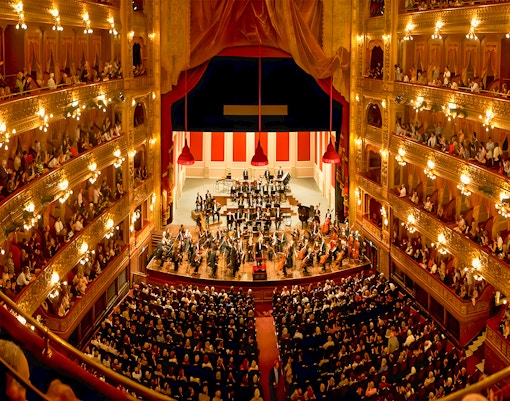
The main auditorium
The heart of the theatre and its most jaw-dropping space. With horseshoe seating, crimson velvet, and a monumental chandelier, this is where world-class opera, ballet, and concerts unfold under legendary acoustics.

The stage & backstage

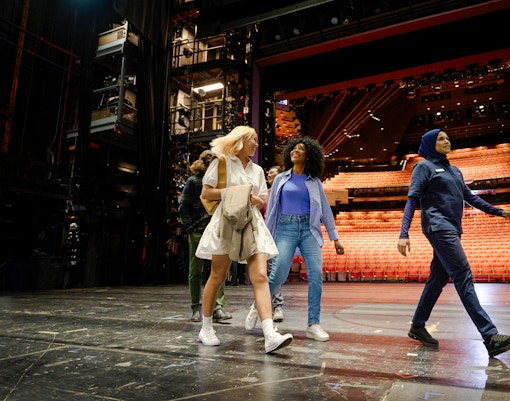
Few visitors realize the stage is a small universe of its own. One of the largest in the world, it hides complex machinery, trapdoors, and lift systems that quietly power grand productions night after night.

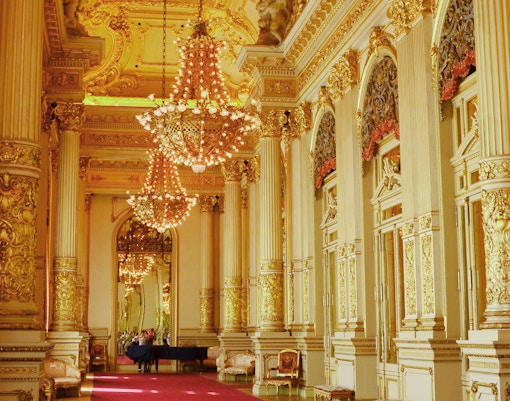
The Golden Hall (Salón Dorado)

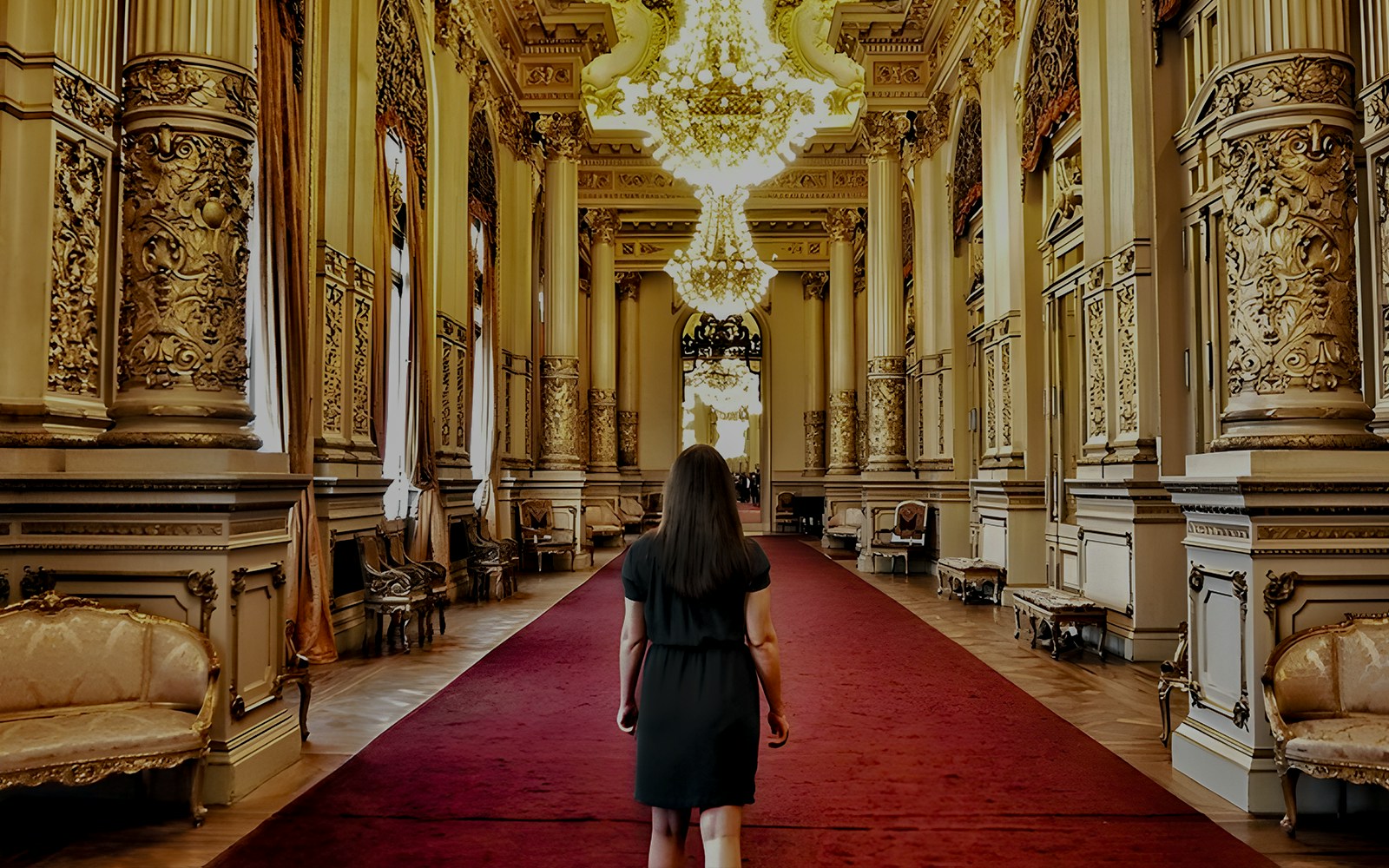
Inspired by Versailles, this opulent salon glows with gold detailing, mirrors, and chandeliers. Today, it hosts chamber concerts and receptions, offering a more intimate glimpse into the theatre’s elegance.

Underground workshops

Beneath the glamour lies a fascinating creative engine. Costume rooms, set workshops, and rehearsal spaces reveal how productions are crafted entirely in-house, an unexpected, behind-the-scenes highlight of any guided visit.

Highlights of Teatro Colón in Buenos Aires

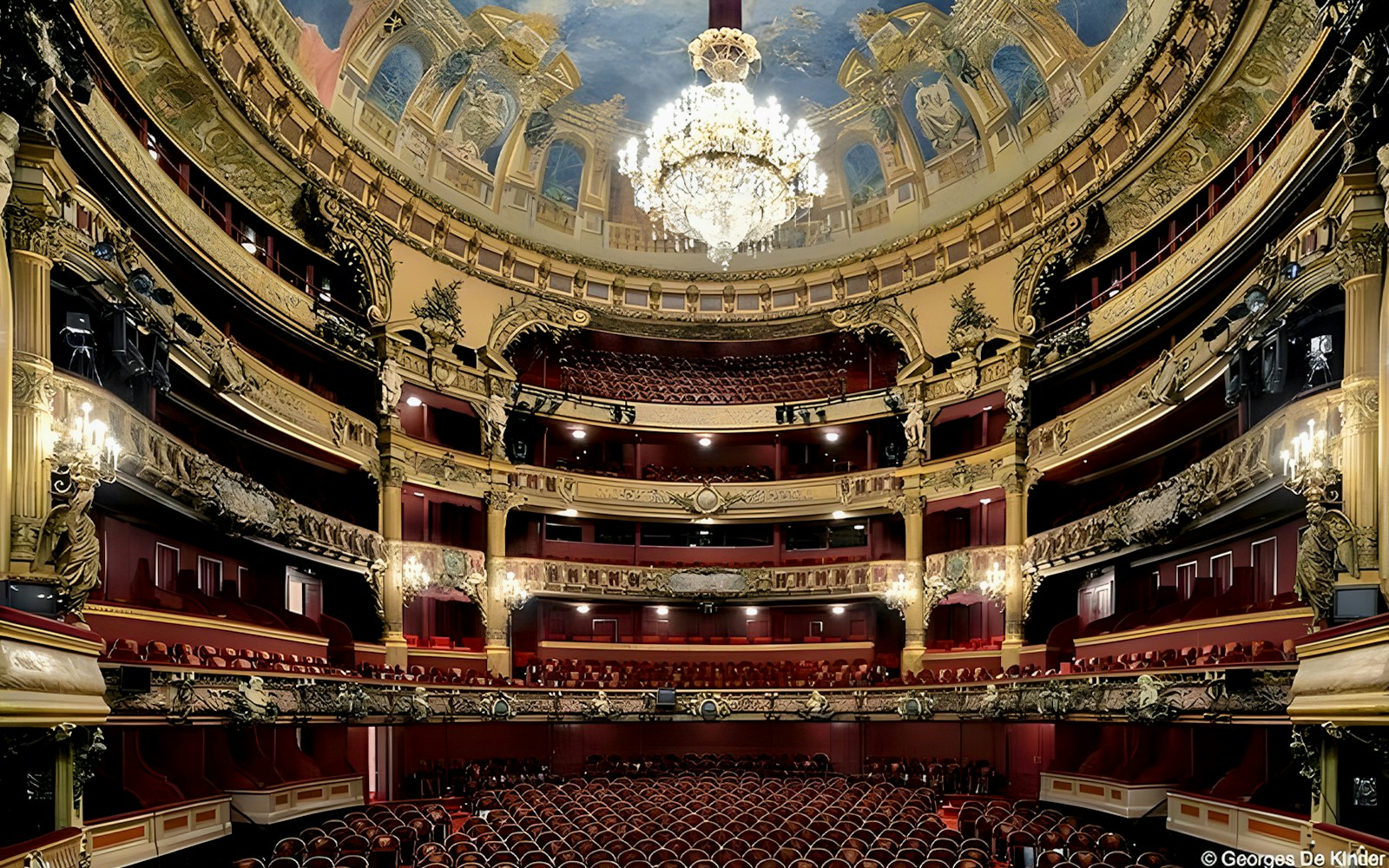
Interior view of Teatro Colon with ornate balconies and grand chandelier.

Iconic chandelier & painted ceiling

A glittering centerpiece suspended above the auditorium, framed by hand-painted panels and soft golden light.

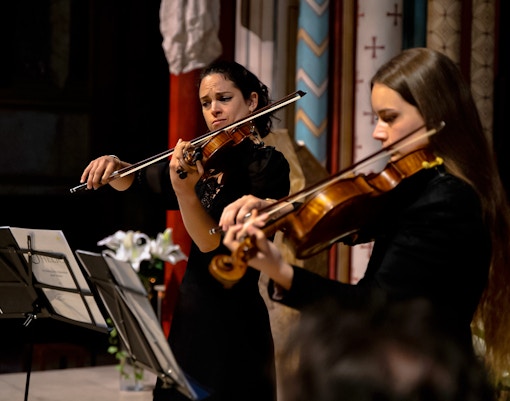
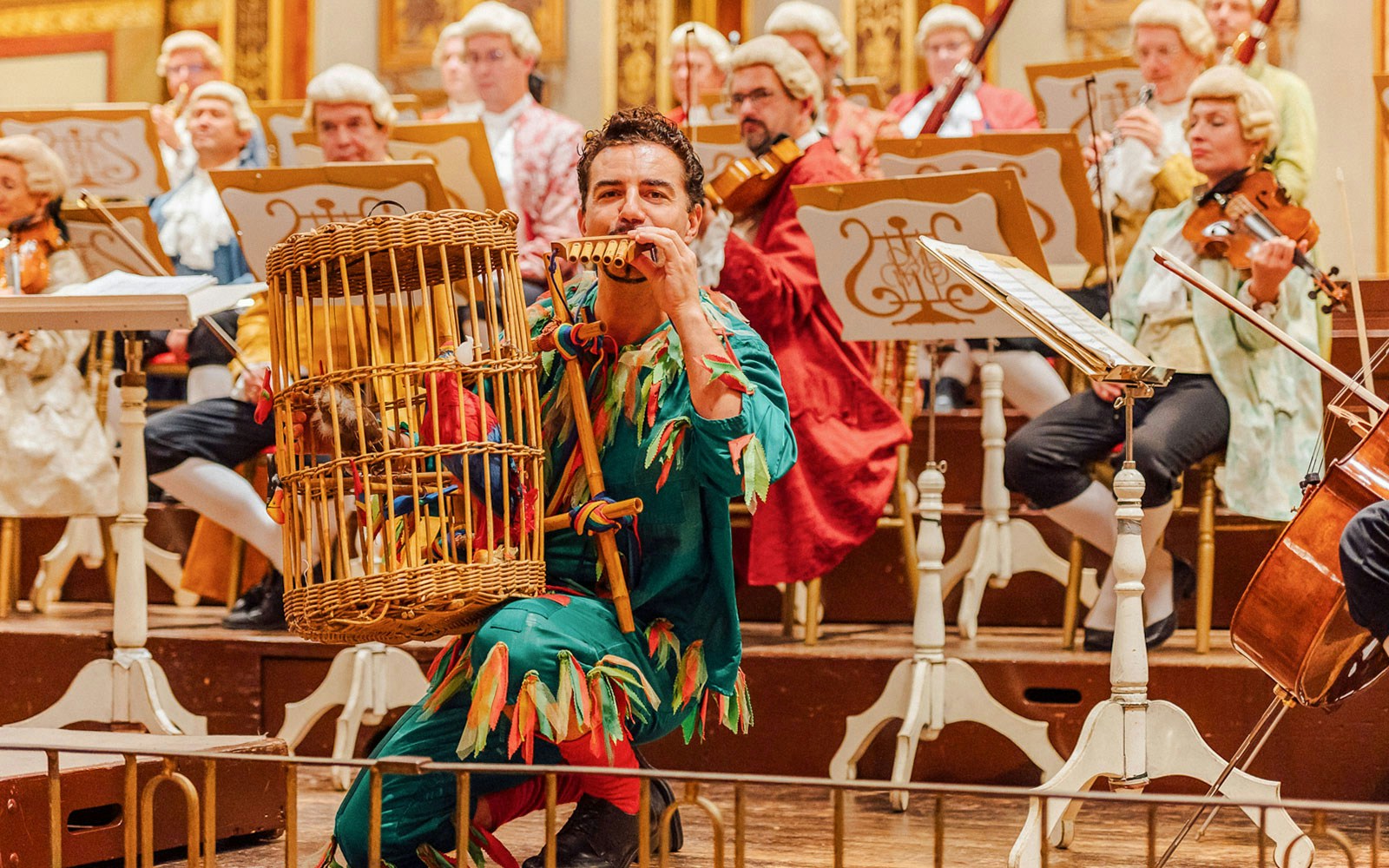
Musicians in period costumes performing at Vienna's Musikverein Golden Hall.
Teatro Colon interior with ornate columns and chandeliers, Buenos Aires.

Brief history of Teatro Colón 

  • 1889 – Construction begins as Buenos Aires sets out to build a world-class opera house that could rival Europe’s grand theatres, marking the ambitious beginning of Teatro Colón history.
  • 1890s – The project faces delays due to political changes and the death of its original architect, leading to design revisions and a prolonged construction phase.
  • 1908 – Colón Theatre in Buenos Aires officially opens with a performance of Verdi’s Aida, a defining moment in Teatro Colón history that earns immediate acclaim for its acoustics and opulent interiors.
  • Early–mid 20th century – The theatre becomes a cultural powerhouse, hosting legendary opera singers, conductors, and ballet companies from around the world.
  • Late 20th century – Wear and aging infrastructure prompt calls for preservation, as the building undergoes periods of partial closure and restoration planning.
  • 2010 – After an extensive restoration, Teatro Colón Argentina reopens in time for the country’s bicentennial, carefully returning the theatre to its original grandeur.

Who built Teatro Colón?

Francesco Tamburini designed the original project, envisioning a grand European-style opera house for Buenos Aires. After his death, Vittorio Meano continued the work, while Belgian architect Jules Dormal completed the theatre, shaping its final Beaux-Arts character.

Architecture of Teatro Colón

At first glance, the building feels elegant and restrained. Step inside, and it’s pure drama. The architecture of Teatro Colón was designed to impress with layering Italian grace, French opulence, and German precision into a space built for performance, not just admiration.

Marble staircases glide upward, chandeliers glow warmly overhead, and every curve of the auditorium pulls your eyes toward the stage. Nothing here is accidental. The famous horseshoe-shaped hall, plush with velvet and wood, was crafted to balance beauty with sound, so music doesn’t just reach you, it surrounds you.

More than a century later, the architecture still works exactly as intended: to make every visitor feel like they’re part of something grand, intimate, and unforgettable, all at once.

Frequently asked questions about Teatro Colón

No. You can explore the Teatro Colón opera house and access key spaces like the auditorium, Golden Hall, and backstage areas.